Health Update
 The American Academy of Allergy, Asthma & Immunology (AAAAI) has issued warning regarding sinusitis. Doctors say that that if stuffy nose, headache and other symptoms of cold persist for more than two weeks, it may be sinusitis.
  A new study conducted by the Canadian researchers show that too much thinking can make you fat. Researchers found that the heavy thinkers consumed more calories.
 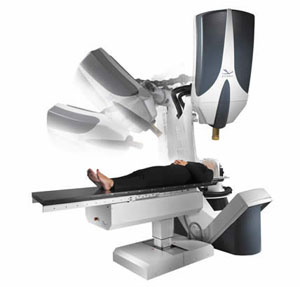 Scientists have developed a robot radiotherapy machine known as Cyberknife to treat cancer. Cyberknife has various advantages over traditional radiotherapy devices.
 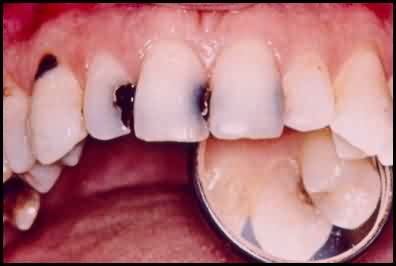 Tooth decay increases in children during the holiday season. The reason behind the condition is an excess of long-lasting candies, gooey frosted cookies, hot chocolate and chewy fudge.
 Recent research has revealed that mood of a person is strongly affected by the people around him. Research team led by Dr Nicholas Christakis, a sociologist at Harvard Medical School, and including Professor Fowler analyzed 53,228 social connections between 5,124 individuals over time.
TopNews Hindi
- FSSAI की शराब कार्रवाई: मैकडॉवेल्स नंबर 1, Old Monk, Antiquity Blue, Royal Challenge पर बैन
- Karuppu, Parasakthi, Thaai Kizhavi, Blast and Kara Among Best Tamil Movies for 2026
- Anupama, YRKKH, Vasudha, Tum Se Tum Tak: सबसे ज़्यादा देखे जाने वाले धारावाहिक
- 2026 FIFA World Cup Current Rankings and Betting Odds for Sports Betting Fans
- JEE Main 2026: Exam Dates, Eligibility, Syllabus जेईई मेन 2026 परीक्षा की तारीखें, योग्यता, सिलेबस

