Health Update
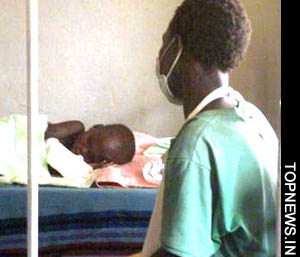 The Democratic Republic of Congo's health minister confirmed the presence of deadly virus, Ebola in Western Kasai province. He added that Ebola has killed nine and infected 21.
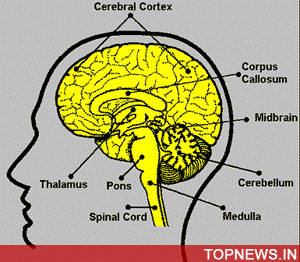 Recent research led to the identification of those parts of the brain that are involved in the process of choosing appropriate words during speech. Research team led by Tatiana Schnur, assistant professor of psychology at Rice wanted to determine whether the left inferior frontal gyrus (LIFG), was necessary for resolving the competition for choosing the correct word.
  Recent research revealed that sugar candies used in Christmas celebrations are good for digestion and fight against germs. Research team led by Alex Ford, McMaster University found that peppermint oil found in the candy act as defense against irritable bowel syndrome.
 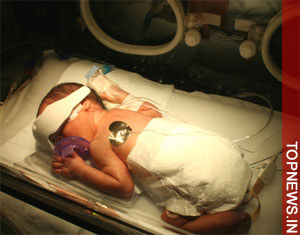 The research conducted by University College London (UCL) revealed that premature infants requiring intensive care or surgery after birth are less sensitive to temperature change later on in life as compared to children born full term.
 It is believed that tears provide an outlet to painful and sad emotions. People suffering from any trauma are asked to cry to ease their pain. But sometimes people feel worse after crying rather than feeling comfortable. Recent research revealed that level of comfort or discomfort experienced after crying depends on the surroundings at the time of crying.
 Dr Sarah Jarvis, women's health spokeswoman for the Royal College of GPs said that giving women easy access to the contraceptive pill without prescription will not stop unwanted pregnancies.
 TopNews Hindi
- FSSAI की शराब कार्रवाई: मैकडॉवेल्स नंबर 1, Old Monk, Antiquity Blue, Royal Challenge पर बैन
- Karuppu, Parasakthi, Thaai Kizhavi, Blast and Kara Among Best Tamil Movies for 2026
- Anupama, YRKKH, Vasudha, Tum Se Tum Tak: सबसे ज़्यादा देखे जाने वाले धारावाहिक
- 2026 FIFA World Cup Current Rankings and Betting Odds for Sports Betting Fans
- JEE Main 2026: Exam Dates, Eligibility, Syllabus जेईई मेन 2026 परीक्षा की तारीखें, योग्यता, सिलेबस

