Health Update
 In the last five days in Modassa taluka of Sabarkantha region, the lethal hepatitis D virus has taken lives of 12 people and left 26 hospitalized.
 British and U.S. researchers said on Friday that passive smoking can significantly raise a person’s risk of dementia and other cognitive problems to the extent that people who live with a smoker stand a higher risk of developing Alzheimer’s.
  Vienna - The West Nile virus, which can cause meningitis in humans, has reached Austria, an virologist said Friday in Vienna.
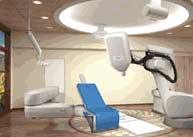 The Apollo Hospitals Group in India has introduced a robot radiotherapy machine, Cyberknife in the Asia Pacific.
 NHS is offering shopping vouchers to children who quit smoking and pregnant women who give up smoking. Supporters of the scheme claim that there is no harm in offering small incentive to help children leave this bad habit whereas people opposite to this scheme said this scheme might encourage children to smoke for sake of rewards.
 TopNews Hindi
- FSSAI की शराब कार्रवाई: मैकडॉवेल्स नंबर 1, Old Monk, Antiquity Blue, Royal Challenge पर बैन
- Karuppu, Parasakthi, Thaai Kizhavi, Blast and Kara Among Best Tamil Movies for 2026
- Anupama, YRKKH, Vasudha, Tum Se Tum Tak: सबसे ज़्यादा देखे जाने वाले धारावाहिक
- 2026 FIFA World Cup Current Rankings and Betting Odds for Sports Betting Fans
- JEE Main 2026: Exam Dates, Eligibility, Syllabus जेईई मेन 2026 परीक्षा की तारीखें, योग्यता, सिलेबस

