Scientists says that ageing in Stem cells can be reversed
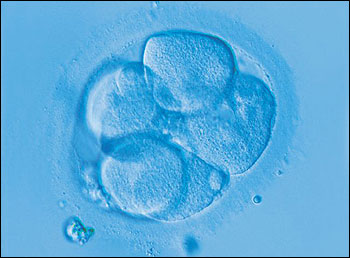 A research by a team of Howard Hughes Medical Institute has now shown that the ageing in stem cells may be reversible. Stem cells, which are used to replace mature cells lost to wounds, diseases and everyday wear and tear, loose their function by ageing.
The research conducted shows that a several-week exposure to old mice to the blood of young mice causes their bone marrow stem cells to begin to act like young ones. The researchers are yet to isolate the blood-borne factors that can rejuvenate old stem cells.
Other studies have shown similar results and many now believe that the ageing in stem cells may be reversible and thus one day increase the practical lifespan of stem cells and increase the body's resistance to disease and age-related degeneration.
The research was published in a paper in Nature on January 28. An earlier study found that the blood of young mice appears to contain factors that could improve the repair capabilities muscle and skin in older or diabetic mice.
The work does not directly address diabetes mechanisms, but gives evidence of an overlap in the regulatory pathways that are implicated in aging and in type 2 diabetes, indicated the researcher.
This study was aimed at knowing if the blood-forming stem cells in the bone marrow could also be rejuvenated. These cells give rise to all the cells of the blood system. With the aging in animals the stem cells become more in number but become less effective at regenerating the blood system which causes less effective immune system and a greater susceptibility to disease, said the research head.
The research involved surgically joining the bloodstreams of pairs of mice that were of different ages. After several weeks of sharing their blood systems with the young mice that stem cells of the older mice changed markedly.
This exposure made the hematopoietic stem cells of the older mice act in a more youthful way in which they are fewer in numbers but with all of their blood cell-generating capacity.
When the "rejuvenated" stem cells were transplanted into mice they were similar to that generated by transplanted young stem cells. While no such changes was noticed in the younger mice.
TopNews Hindi
- आज का मौसम 29 मई: 16 राज्यों में तूफानी बारिश का अलर्ट, दिल्ली में राहत की उम्मीद लेकिन मानसून अभी दूर
- सोने और चांदी की कीमतों में मामूली गिरावट (Gold Price Declines Today), 22Karat सोना 1,56,600 रुपये प्रति 10 ग्राम
- वैभव सूर्यवंशी (Vaibhav Sooryavanshi) की IPL 2026 में राजस्थान रॉयल्स में रिकॉर्ड तोड़ बल्लेबाज़ी
- कल का मौसम: दिल्ली, हरियाणा, राजस्थान, पंजाब और उत्तर प्रदेश में अत्यधिक गर्म मौसम
- आज का मौसम: दिल्ली में भीषण गर्मी का प्रकोप, 45°C के पार पहुंचा पारा

