Sri Lanka pushes ahead with resettlement plans for displaced
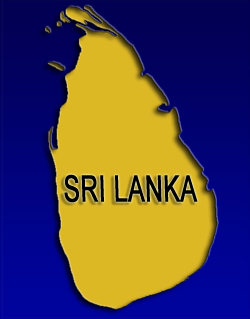 Colombo - Brushing aside sweeping allegations of widespread killings of civilians in the final stage of their campaign to crush Tamil rebels, Sri Lankan officials said Monday they will press ahead with plans to care for thousands of war refugees who will eventually be sent back to their homes.
Colombo made no official response to allegations by British newspapers and human rights organizations of human rights abuses in the final days of the conflict.
Instead the government announced a wide range of programmes in which it hopes to improve welfare facilities at camps where an estimated 300,000 civilian refugees are being accommodated.
As part of the programme to reduce congestion in the camps, the government is to set up a fifth village which could accommodate some 40,000 displaced persons, Secretary to the Ministry of Disaster Relief Services and Re-settlement ULM Haldeen said.
The village is to be set up amidst allegations that the already existing camps were over-crowded.
In a related development, Minister of Resettlement and Relief Services Rishard Badhiutheen commissioned a large water supply scheme for the displaced on Sunday. The project, estimated to cost 400 million rupees (3.4 million dollars) was co-funded by the UNICEF.
In a separate development, Power and Energy Minister John Seneviratne announced that the government hopes to introduce a programme to provide electricity to areas in the northern province where the displaced persons would be resettled.
But despite the government efforts to provide relief to the displaced and expedite their resettlement, non-government organizations working in the camps said that the facilities for the displaced need further improvement.
"It is true the government is trying to do its best, but the best may be not enough as the place is overcrowded and officials are finding it difficult to cope," said an NGO worker who did not want to be identified.
He said that there are instances when food delivery gets delayed, patients do not get immediate medical relief and the family members in the camps are unable to locate their relatives who may be in another camp.
UN agencies have been appealing to the government to reduce restrictions placed on their staff in entering the camps. UN Spokesman in Colombo Gordon Wiess said "the restrictions have been relaxed to some extent, but more access is needed."
The government has claimed that they were reducing access by the UN agencies, NGOs and aid workers to reduce congestion in the already overcrowded camps.
Most of the 300,000 displaced persons fled the rebel controlled area during the final weeks of intensified fighting which ended on May 18 after the rebel leader Velupillai Prabhakaran was killed.
Unofficial UN figures put the number killed since January this year at 6,000 to 7,000, while British press reports said the death toll was over 20,000. The Sri Lankan government has not given any figures.
The government declared that the war against the Tamil rebels, which lasted 26 years, ended on May 18.
On Wednesday the government will display some of the military hardware captured from the rebels, including battle tanks, at a ceremony in Colombo. A military parade will also be held to mark the event. (dpa)
TopNews Hindi
- आज का मौसम 29 मई: 16 राज्यों में तूफानी बारिश का अलर्ट, दिल्ली में राहत की उम्मीद लेकिन मानसून अभी दूर
- सोने और चांदी की कीमतों में मामूली गिरावट (Gold Price Declines Today), 22Karat सोना 1,56,600 रुपये प्रति 10 ग्राम
- वैभव सूर्यवंशी (Vaibhav Sooryavanshi) की IPL 2026 में राजस्थान रॉयल्स में रिकॉर्ड तोड़ बल्लेबाज़ी
- कल का मौसम: दिल्ली, हरियाणा, राजस्थान, पंजाब और उत्तर प्रदेश में अत्यधिक गर्म मौसम
- आज का मौसम: दिल्ली में भीषण गर्मी का प्रकोप, 45°C के पार पहुंचा पारा

