Beijing - China and the European Union are at loggerheads over their satellite-navigation systems after China's announcement that it plans to use the same broadcast frequency that the European Union earmarked for its Galileo system, officials said Monday.
The conflict over the EU's Galileo and China's Compass navigation systems has become a "classic diplomatic problem," EU External Relations Commissioner Benita Ferrero-Waldner told reporters in Beijing.
Beijing - The EU's top diplomat called Monday on the Chinese government to resume talks with the Tibetan government-in-exile while welcoming a memorandum from Tibetan exiles on their vision of autonomy.
"For a long time, the Chinese wanted to see a written position," EU External Relations Commissioner Benita Ferrero-Waldner said of the Tibetan proposal made during the latest round of talks in November.
Taipei - In another sign of improved cross-strait ties, China on Monday allowed the second part of the World Buddhism Forum to be held in Taiwan.
After attending the first part of the forum in China, some 500 delegates from about 50 countries and regions flew in five chartered flights Nanjing to Taipei.
The delegates include various countries' Buddhist leaders, monks and nuns as well as scholars.
Beijing - The European Union on Monday welcomed US President Barack Obama's invitation to a climate change forum for the world's major economies as well as his change in policy from his predecessor, who was criticized for obstructing anti-global-warming initiatives.
Beijing - China will reopen its Tibet Autonomous Region to foreign tourists from April 5, following the suspension of visits during sensitive anniversaries, state media said on Monday.
"Tibet is harmonious and safe now," Bachug, head of the regional tourism administration, told the government's official Xinhua news agency.
"Travel agencies, tourist resorts and hotels are well-prepared for tourists," Bachug was quoted as saying.
"Reception work was suspended in March for the sake of travellers' safety," he said.
New York/Toronto - A spying operation that infiltrated computers - many of them belonging to governments - in 103 countries has been uncovered by a group of Canadian researchers, the New York Times reported Sunday.
Victims of the malicious software, or malware, include computers in: the offices of the Dalai Lama; Tibetan exile centres around the world; NATO headquarters in Brussels; and the Indian embassy to the United States.
In all, 1,295 computers might have been accessed and had documents copied by the system, which the researchers dubbed GhostNet.
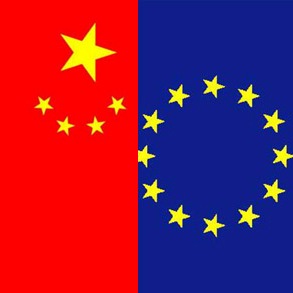 Beijing - China and the European Union are at loggerheads over their satellite-navigation systems after China's announcement that it plans to use the same broadcast frequency that the European Union earmarked for its Galileo system, officials said Monday.
 Beijing - The EU's top diplomat called Monday on the Chinese government to resume talks with the Tibetan government-in-exile while welcoming a memorandum from Tibetan exiles on their vision of autonomy.
 Taipei - In another sign of improved cross-strait ties, China on Monday allowed the second part of the World Buddhism Forum to be held in Taiwan.
 Beijing - The European Union on Monday welcomed US President Barack Obama's invitation to a climate change forum for the world's major economies as well as his change in policy from his predecessor, who was criticized for obstructing anti-global-warming initiatives.
 New York/Toronto - A spying operation that infiltrated computers - many of them belonging to governments - in 103 countries has been uncovered by a group of Canadian researchers, the New York Times reported Sunday.

