Health Update
 The Assam Government has declared a high alert following the rapid spread of deadly bird flu outbreak to newer areas in the state.
 According to the new edition of the World Cancer Report from the International Agency for Research on Cancer, due to rapid increase in cancer cases, cancer will soon replace heart disease as the leading cause of deaths worldwide. Report added that low- and middle-income countries will experience the impact of higher cancer incidence and death rates more sharply than industrialized countries.
 Recent research has shown that presence of a specific gene can be linked to urge to eat high-calorie foods. Researchers found that children with a common variation of the gene ate 100 extra calories per meal.
  A recent research has shown connection between gene mutation and the most common eye cancer. Research team led by Catherine Van Raamsdonk, an assistant professor of medical genetics at the University of British Columbia has discovered a genetic mutation in a gene called GNAQ that could be responsible for up to 45 per cent cases of uveal melanoma.
 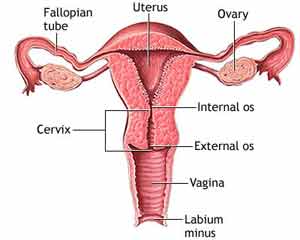 Recent research has shown connection between fertility drugs and increased risk of womb cancer in women. A research team led by Dr Ronit Calderon-Margalit at Hadassah-Hebrew University in Jerusalem studied the effects of these drugs by comparing cancer incidence in 15,000 Israeli women 30 years after they gave birth.
 TopNews Hindi
- भारतीय क्रिकेट टीम बनाम इंग्लैंड क्रिकेट टीम के आंकड़े एवं टाइमलाइन
- FSSAI की शराब कार्रवाई: मैकडॉवेल्स नंबर 1, Old Monk, Antiquity Blue, Royal Challenge पर बैन
- Karuppu, Parasakthi, Thaai Kizhavi, Blast and Kara Among Best Tamil Movies for 2026
- Anupama, YRKKH, Vasudha, Tum Se Tum Tak: सबसे ज़्यादा देखे जाने वाले धारावाहिक
- 2026 FIFA World Cup Current Rankings and Betting Odds for Sports Betting Fans

