Technology News
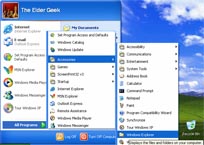 The Windows Explorer file manager is one of the most frequently used applications in Windows. That's no surprise, really, since files, after all, are what computers are all about. And you need a file manager to see, copy, delete, and move them. You'd think, then, that this most basic of tools could be easily customised to work the way people want. And you'd be right - up to a point. The trouble is that Windows Explorer has more than its share of quirks - even bugs. Getting around them is what this week's answers are all about.
 San Francisco - YouTube began hosting its first full-length TV episodes Friday, accompanied with ads that were unusually intrusive for the Google-owned online video site.
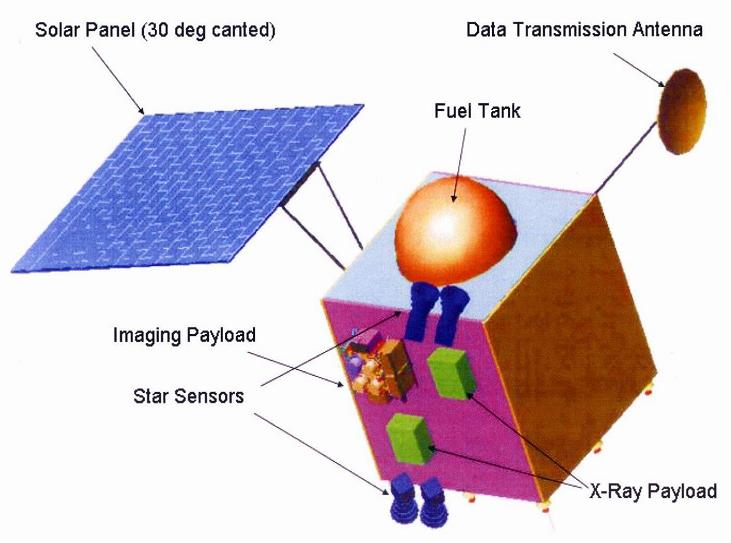 Bangalore, Oct 10 : Chandrayaan I, India ''s spacecraft mission to moon will be launched on October 22 from the Satish Dhawan Space Centre in Sriharikotta.
 London, October 10 : Google Earth’s new satellite, GeoEye-1, has provided a high resolution picture of Pennsylvania-based Kutztown University campus, which also happens to be its first picture.
TopNews Hindi
- FSSAI की शराब कार्रवाई: मैकडॉवेल्स नंबर 1, Old Monk, Antiquity Blue, Royal Challenge पर बैन
- Karuppu, Parasakthi, Thaai Kizhavi, Blast and Kara Among Best Tamil Movies for 2026
- Anupama, YRKKH, Vasudha, Tum Se Tum Tak: सबसे ज़्यादा देखे जाने वाले धारावाहिक
- 2026 FIFA World Cup Current Rankings and Betting Odds for Sports Betting Fans
- JEE Main 2026: Exam Dates, Eligibility, Syllabus जेईई मेन 2026 परीक्षा की तारीखें, योग्यता, सिलेबस

