Europe
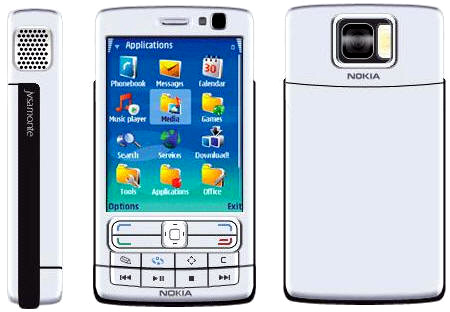 On Tuesday, Nokia, the world's largest mobile handset manufacturer, launched the N97 handset and also showcased updates to its navigation and messaging services. The latest set will act as another potential rival to Apple's iPhone.
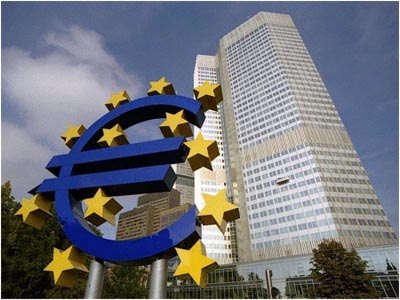 Frankfurt - The European Central Bank (ECB) is expected to deliver Thursday a deep cut in borrowing costs as the wave of rate cuts across the global economy gains momentum.
 The top end ‘N-Series’ range of Nokia handsets has now strengthened further to include a new multimedia device known as the ‘Nokia N97’, which will hit the European markets during the first half of the coming year (2009).
 Brussels - European Jewish groups plan to train volunteers to protect their local comm
 Berlin, Nov. 28 : Counter-terrorism officials and experts said the scale, sophistication and targets involved in the Mumbai attacks were markedly different from previous terrorist plots in India and suggested the gunmen had received training from outside the country.
TopNews Hindi
- Karuppu, Parasakthi, Thaai Kizhavi, Blast and Kara Among Best Tamil Movies for 2026
- Anupama, YRKKH, Vasudha, Tum Se Tum Tak: सबसे ज़्यादा देखे जाने वाले धारावाहिक
- 2026 FIFA World Cup Current Rankings and Betting Odds for Sports Betting Fans
- JEE Main 2026: Exam Dates, Eligibility, Syllabus जेईई मेन 2026 परीक्षा की तारीखें, योग्यता, सिलेबस
- Geojit ने Apollo Hospitals पर BUY कॉल दोहराया, Share Price Target Rs. 9,587

