Anti-Depressants Use Increases Miscarriage Risk
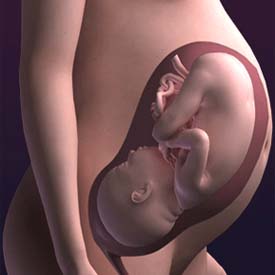 The use of antidepressant drugs increases the overall chance of miscarriage by around 68 percent.
A study stated that anti-depressants are commonly used during pregnancy and around 3.7% of females make use of antidepressant drugs at some point during the first trimester.
Stopping treatment can lead to a depressive relapse that can put mother and baby in danger.
The majority of earlier researches on the use of anti-depressants in pregnancy did not consider miscarriages as a main result, had small samples and several showed contradictory results.
Scientists from University of Montreal (UM) researchers analysed data on 5,124 females in Quebec who had clinically verified miscarriages up to 20 weeks of conception and a large sample of females from the same registry who didn't have a miscarriage.
Out of those who miscarried, 284 (5.5 percent) had used anti-depressants in pregnancy.
Selective serotonin reuptake inhibitors (SSRIs), especially paroxetine and also venlafaxine, were associated with increased risk of miscarriage as were higher daily doses of either anti-depressant.
Besides, a combination of different anti-depressants doubled the risk of miscarriages.
SSRIs are a category of compounds typically utilized in treating depression, anxiety troubles, and some personality disorders. They are also used in treating premature ejaculation problems as well as some cases of insomnia.
Senior study author Anick Bérard, from University of Montreal, stated, "These results, which suggest an overall class effect of selective serotonin reuptake inhibitors, are highly robust given the large number of users studied."
The researchers urge that physicians who have patients of child-bearing age taking anti-depressants or have pregnant patients who require anti-depressant therapy early in pregnancy discuss the risks and benefits with them. (With Inputs from Agencies)

