Simple Blood Test May Help Predict Newborn Babies’ Risk
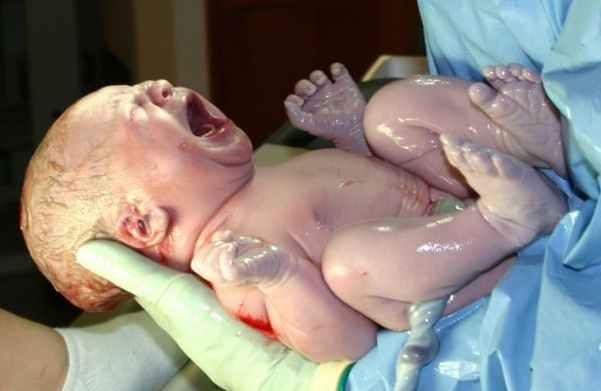 A new research has disclosed that simple blood examination can now tell whether newborn infants are at high risk of having allergies as they turn older.
Tony Ferrante, professor and immunologist at the University of Adelaide, said that the research may be the most substantial breakthrough in allergy testing for some decades.
"A protein in the immune cells of newborns appears to hold the answer as to whether a baby will either be protected or susceptible to development of allergies later on," Ferrante said.
The quantities of the cell signalling protein, known as protein kinase C zeta, are lower in infants who are more prone to allergies.
Ferrante said that the examination is better than previous indicators like a family's clinical history, or measuring the allergy-inducing antibody IgE.
Working with Susan Prescott, professor from the University of Western Australia, Ferrante's group has refined the new marker for allergy risk, originally discovered in 2007, but now modified to a simple blood test at birth.
The scientists are also considering whether fish oil supplements given to both preggies and those who have just given birth can lessen the possibility of the kids developing allergies. (With Inputs from Agencies)

