Science News
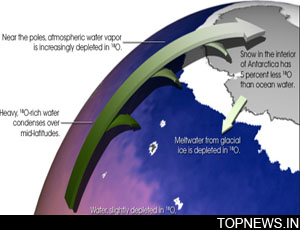 Washington, March 25 : Analysis of deep sea rocks in Australia has suggested that they date back to 3.46 billion years ago, suggesting that not only did the oceans contain abundant oxygen then, but that the atmosphere was as oxygen rich as it is today.
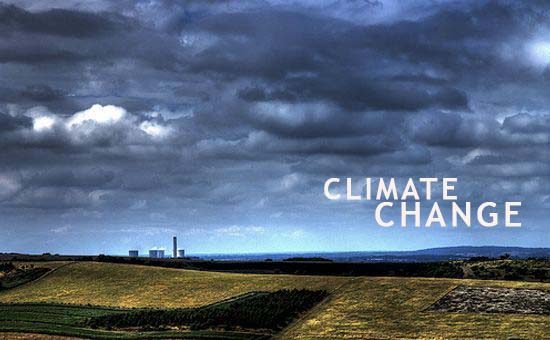 Bangkok - A team of 30 Chinese and Thai scientists have launched a two-year joint research programme to study the impact of climate change on the monsoon variability - the annual rains that are key to regional rice production, media reports said Wednesday.
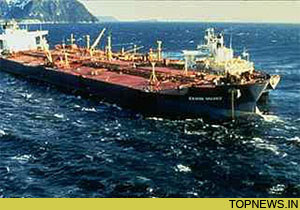 San Francisco - Few lessons have been learned from Exxon Valdez, as oil spills are a regular occurrence 20 years after the worst ecological disaster in US history, environmentalists warned Tuesday.
 Washington - The crew of the International Space Station and space shuttle Discovery received a phone call from US President Barack Obama on Tuesday.
 Washington, Mar 24 : Researchers at University of Liverpool have shown how a single-celled organism, living freely in the environment, could be a source of Salmonella transmission to animals and humans.
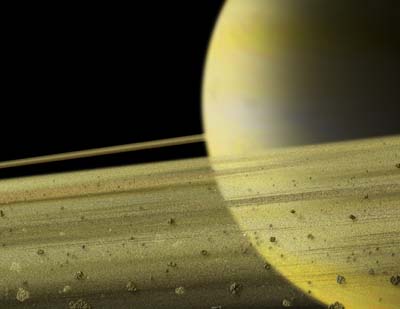 Washington, March 24: Images taken by the cameras of NASA’s Cassini spacecraft have captured, for the first time, the shadows of Saturn’s moons cast onto its broad expanse of rings, which signals the approach of a phase known as equinox.
TopNews Hindi
- भारतीय क्रिकेट टीम बनाम इंग्लैंड क्रिकेट टीम के आंकड़े एवं टाइमलाइन
- FSSAI की शराब कार्रवाई: मैकडॉवेल्स नंबर 1, Old Monk, Antiquity Blue, Royal Challenge पर बैन
- Karuppu, Parasakthi, Thaai Kizhavi, Blast and Kara Among Best Tamil Movies for 2026
- Anupama, YRKKH, Vasudha, Tum Se Tum Tak: सबसे ज़्यादा देखे जाने वाले धारावाहिक
- 2026 FIFA World Cup Current Rankings and Betting Odds for Sports Betting Fans

