Health Update
 Kidney disease is a major health problem in the world. It has been on the rise in India and many other countries. So, there is a need to start a global health awareness campaign that will mainly focus on the importance of kidneys, and helps in lessening the occurrence and impact of kidney disease and its related health troubles globally.
  Ron, A 73-year-old man is able to see flashes of l
 Recent study done by Sands, the stillbirth and neonatal death charity revealed that stillbirth rate has not dropped over the last ten years still 2,500 babies are either born dead or die shortly after birth each year. Researchers believed that these deaths could be avoided with the help of more midwives, increased funding of antenatal and maternity care and research into the causes of such deaths.
 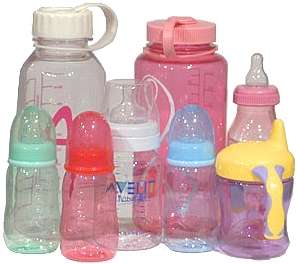 Bisphenol-A (BPA) is used in polycarbonate plastic baby products. Environment California's report, "Toxic Baby Bottles," in 2007 questioned the safety of this chemical. Study found this hormone-disrupting chemical was found to be leaking from baby bottles. Earlier studies have already shown harmful effects of this chemical.
  Recent research led by Oxford University revealed that two glasses of milk everyday can offer protection against memory loss and Alzheimer's disease in old age. Researchers discovered that milk is one of the best sources of vitamin B12. It is believed that this vitamin reduces neurological damage to the brain.
TopNews Hindi
- FSSAI की शराब कार्रवाई: मैकडॉवेल्स नंबर 1, Old Monk, Antiquity Blue, Royal Challenge पर बैन
- Karuppu, Parasakthi, Thaai Kizhavi, Blast and Kara Among Best Tamil Movies for 2026
- Anupama, YRKKH, Vasudha, Tum Se Tum Tak: सबसे ज़्यादा देखे जाने वाले धारावाहिक
- 2026 FIFA World Cup Current Rankings and Betting Odds for Sports Betting Fans
- JEE Main 2026: Exam Dates, Eligibility, Syllabus जेईई मेन 2026 परीक्षा की तारीखें, योग्यता, सिलेबस

