City traffic cops' awareness drive is bearing fruits. Since the Ahmedabad traffic department started classes on road safety in December 2008, the number of cases of road accidents involving minors has come down drastically from 30 in December to nine in January. The department had organised 3,200 lectures on traffic rules in December, followed by 3,500 the next month. Students, teachers and parents of those kids who had violated traffic norms participated in the special classes.
The department believes that the awareness classes played an important role in the decrease of accident cases. Traffic department officials told DNA that the minors were booked for rash driving, triple ridding and driving without proper documents.
DNA 09 EXAM FEVER
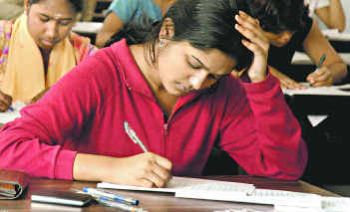
Exams are a normal feature of school life, yet a time of anxiety for students. But the SSC and HSC exams are the most demanding of them all. The reason is that the result of these exams helps have a bearing on the future of students. The countdown for this year's SSC/HSC exams has begun and anxiety levels are rising. Vocational counsellor and psychologist Arti Desai shares with DNA some tips that would prove helpful to students a month before the exam.
Over-the-top rejoicing of the film's success might desensitise us to poverty
There was a supreme moment of television irony on Monday, but I suspect it was lost on even the announcer who was so much a part of it. Right in the middle of breathlessly announcing the runaway success of Slumdog Millionaire at the Oscars, the announcer paused for a "quick look at some other headlines". And without missing a beat, she raced through a story about an outbreak of hepatitis cases in Gujarat that had, by last count, claimed over 40 lives.
After about 30 fleeting seconds addressing that minor public health distraction, she was back to her hyperbolic — and borderline-hysterical — reportage of "India's shining moment" at the Oscars.
Governments — whatever their political hue — have always known that India's growth story crucially depends on improving rural India. The reason is simple: more people live there, most of them do not have electricity connections, nor other amenities like clean drinking water, housing or roads. It was not surprising then that prime minister Manmohan Singh-led UPA government worked out the Bharat Nirman component of its national minimum common programme to improve the lot of the villagers. Singh and his reform-minded colleagues and friends rightly saw that public expenditure in rural infrastructure is a key to transforming India from a developing to a developed country, and accelerating the economic growth rate.