How Tractor Horsepower Affects Farm Performance and Productivity
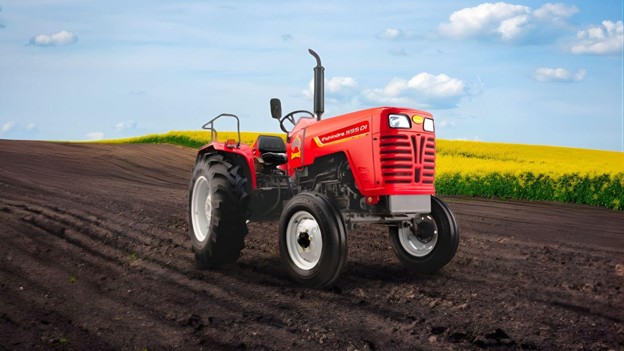
Tractor horsepower affects how comfortably a machine can pull implements, operate PTO-driven equipment, move loads, and work through different soil conditions. A suitable power level can help farmers complete operations smoothly without putting unnecessary strain on the tractor.
More horsepower does not always mean better farm performance. The right choice depends on the work, implements, field layout, and operating conditions.
This makes horsepower a practical working factor because it affects how the tractor responds when field conditions and workloads change regularly.
What Horsepower Means in Everyday Farm Work
Horsepower measures the power produced by a tractor engine. On a farm, that power supports pulling, operating attachments, and moving the tractor under load.
Horsepower influences jobs such as the following:
- Pulling cultivators, ploughs and other soil-working implements
- Operating PTO-driven equipment
- Moving farm produce or materials
- Working through demanding soil conditions
- Maintaining a steady pace during field operations
The best tractor for a farm is not simply the one with the highest power figure. A better fit is a machine whose power matches the work it will handle most often.
How Power Changes Field Performance
Every field operation creates resistance. Soil type, moisture, working depth, slope, and implement size all affect how hard a tractor has to work.
With enough usable power, a tractor can maintain pace while the implement stays at the required depth. If pushed beyond its comfortable range, the operator may need to slow down or adjust the implement.
Suitable horsepower can support:
- Consistent movement under load
- Better implement matching
- Fewer interruptions caused by power shortage
- Smoother work across changing field conditions
This scenario is where power selection begins to affect productivity.
Implement Choice and Horsepower Go Together
A tractor and its implement work as one unit. The power requirement changes once a particular implement is attached.
A wider or heavier implement may place more demand on the tractor, while PTO-operated equipment has its own requirement. Farmers comparing HP tractors should therefore consider what the machine will actually operate.
Before deciding on a power category, check:
- Implement type and working width
- Operating depth
- PTO requirement
- Hydraulic requirement
- Soil resistance during normal use
This criterion shows whether the tractor can handle regular equipment.
Horsepower Can Affect Timeliness
Farm productivity depends on timing. Land preparation, sowing, and other operations often need to be completed within a suitable period.
A tractor matched to its workload can maintain a steady working pace without frequent slowing. This is important when you need to complete several tasks during the season.
Productivity is not simply about speed. The implement still needs to work at the correct depth while the tractor remains stable under load. A balanced power level helps maintain useful speed without affecting the quality of work.
The Link Between Power and Fuel Use
Horsepower can influence fuel use, but it is only one factor. Fuel consumption also changes with gear selection, engine load, soil condition, maintenance, tyre grip and implement matching.
An underpowered tractor may have to work harder for longer during a demanding job. A machine with much more power than required may spend most of its time below its useful capacity.
Efficient operation depends on:
- Correct gear selection
- Suitable engine load
- Good tyre condition
- Timely maintenance
The aim is to choose enough power for the work without creating an unnecessary mismatch.
Soil Conditions Change the Power Needed
The same tractor can behave differently from one field to another. Hard or compact soil can create more resistance than lighter soil, while moisture changes how easily an implement moves through the ground.
This is why land size alone cannot decide tractor horsepower. Farms of similar size may have different needs because their soil, crops and field operations differ.
Power requirements can vary depending on soil texture, moisture, working depth, implement width, and terrain. These conditions give a more realistic idea of useful power.
PTO Power Also Matters
Engine horsepower receives the most attention, but Power Take-Off (PTO) is important when the tractor runs powered implements.
PTO-driven equipment depends on power transferred from the engine through the PTO system. A tractor may suit general fieldwork but still needs to be checked carefully before being paired with a powered attachment.
Farmers should consider the implement’s operating requirements, PTO compatibility and load during use. This helps ensure that the tractor and attachment are properly matched.
Traction Determines How Power Reaches the Ground
Available horsepower is useful only when the tractor can transfer that power effectively to the field surface.
Loose or wet soil may reduce grip and increase wheel slip. Tyres, ballast, tractor weight and drive configuration influence how much engine power becomes useful pulling force.
Horsepower should therefore be considered together with traction. A powerful machine with poor grip may not perform as expected, while a properly matched tractor can use available power more effectively.
Why More Horsepower Is Not Always Better
A larger power figure can help with demanding work, but it is not automatically right for every farm.
Smaller fields, narrow working areas and lighter operations may not need a larger machine. Extra power that is rarely used does not necessarily improve productivity. At the same time, too little power can make heavy jobs slower and restrict implementation choice.
The practical aim is to balance:
- Regular workload
- Implement requirements
- Soil conditions
- Farm layout
- PTO use
- Transport needs
That balance matters more than choosing horsepower by size alone.
What to Consider before Choosing Horsepower
A sensible decision starts with the work performed throughout the season. Farmers can list their main operations and then match those needs with the appropriate power category.
Useful questions include:
- What implements will the tractor use most often?
- How demanding is the soil?
- Is PTO equipment used regularly?
- How much haulage work is involved?
- Are the fields open or narrow?
- Will the tractor handle light work, heavy work or both?
These questions keep the focus on actual farm requirements rather than on one specification.
Conclusion
Tractor horsepower affects pulling ability, implement use, field speed, PTO operation, and how a machine responds under load. Its impact on productivity depends on how closely the available power matches the conditions and work found on the farm.
Too little power can make demanding jobs harder, while unnecessary power may add capacity that is rarely used. The better approach is to consider soil, implements, traction, PTO needs, field layout, and workload together.
The right horsepower is not simply the highest number available. It is the power level that allows the tractor to handle regular farm work comfortably, consistently, and efficiently.
TopNews Hindi
- FSSAI की शराब कार्रवाई: मैकडॉवेल्स नंबर 1, Old Monk, Antiquity Blue, Royal Challenge पर बैन
- Karuppu, Parasakthi, Thaai Kizhavi, Blast and Kara Among Best Tamil Movies for 2026
- Anupama, YRKKH, Vasudha, Tum Se Tum Tak: सबसे ज़्यादा देखे जाने वाले धारावाहिक
- 2026 FIFA World Cup Current Rankings and Betting Odds for Sports Betting Fans
- JEE Main 2026: Exam Dates, Eligibility, Syllabus जेईई मेन 2026 परीक्षा की तारीखें, योग्यता, सिलेबस

