Technology News
 models from Friday onwards, which would make Xbox 360 the cheapest game console in the market, even from the successful Nintendo Wii console.
 New Delhi, Sept. 4 : External Affairs Minister Pranab Mukherjee on Thursday said that the UPA Government was not in a position to go beyond its commitment to Parliament on the US-India civil nuclear cooperation deal, even as an atmosphere of uncertainty prevails over India getting a waiver for nuclear commerce from the 45-member Nuclear Suppliers Group (NSG).
 Washington, September 4 : The Large Hadron Collider (LHC), which goes into operation on September 10, might lead to the discovery of new dimensions.
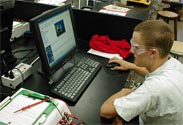 Washington, September 4 : Researchers at MIT (Massachusetts Institute of Technology) may have found a way to overcome a key barrier to the advent of super-fast quantum computers, which could be powerful tools for applications such as code breaking.
 London, September 4 : Chemists have now developed a new way to transport gases like methane and natural gas, by converting them into a powdered form.
TopNews Hindi
- FSSAI की शराब कार्रवाई: मैकडॉवेल्स नंबर 1, Old Monk, Antiquity Blue, Royal Challenge पर बैन
- Karuppu, Parasakthi, Thaai Kizhavi, Blast and Kara Among Best Tamil Movies for 2026
- Anupama, YRKKH, Vasudha, Tum Se Tum Tak: सबसे ज़्यादा देखे जाने वाले धारावाहिक
- 2026 FIFA World Cup Current Rankings and Betting Odds for Sports Betting Fans
- JEE Main 2026: Exam Dates, Eligibility, Syllabus जेईई मेन 2026 परीक्षा की तारीखें, योग्यता, सिलेबस

