Technology News
 New York/Sunnyvale - After a focussed cost-saving programme, US chip maker AMD was advancing toward the profit zone after reducing its losses in the third quarter to a surprising 69 million dollars, the company said after markets closed Thursday.
 San Francisco - Internet search and advertising leader Google Inc on Thursday said its third-quarter profits jumped 26 per cent, as more people used Web search advertisements to increase sales amid the continuing economic downturn.
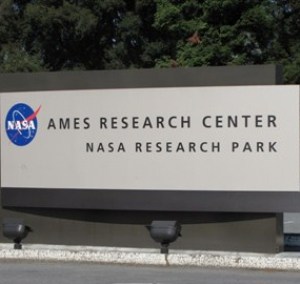 London, Oct 16 : NASA scientists have found the key to keep harmful moon dust at bay— a little sunshine.
 London, October 16 : The Queen’s image has featured on the homepage logo of Internet search engine ‘Google’ to mark her visit to the organisation’s London office.
TopNews Hindi
- FSSAI की शराब कार्रवाई: मैकडॉवेल्स नंबर 1, Old Monk, Antiquity Blue, Royal Challenge पर बैन
- Karuppu, Parasakthi, Thaai Kizhavi, Blast and Kara Among Best Tamil Movies for 2026
- Anupama, YRKKH, Vasudha, Tum Se Tum Tak: सबसे ज़्यादा देखे जाने वाले धारावाहिक
- 2026 FIFA World Cup Current Rankings and Betting Odds for Sports Betting Fans
- JEE Main 2026: Exam Dates, Eligibility, Syllabus जेईई मेन 2026 परीक्षा की तारीखें, योग्यता, सिलेबस

