Technology News
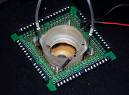 An extraordinary computer circuit that can build itself has been developed by a team of European physicists. This invention can be a step forward towards the creation of self assembling computers. The unique work of developing an integrated circuit is published in this week’s Nature1.
  London, October 18 : A NASA satellite, scheduled to be launched on October 19, will study the outermost reaches of our solar system in unprecedented detail.
  On Tuesday, 20 vulnerabilities were patched by Microsoft Corp. and more than half of them were categorized as critical, in 11 separate security updates for Windows, Office, Internet Explorer (IE), Active Directory and the Host Integration Server.
  London, October 18 : Scientists have suggested the use of waterless concrete for building future lunar bases, which would be composed entirely of moon dust, a process that would prove to be cost-effective.
TopNews Hindi
- FSSAI की शराब कार्रवाई: मैकडॉवेल्स नंबर 1, Old Monk, Antiquity Blue, Royal Challenge पर बैन
- Karuppu, Parasakthi, Thaai Kizhavi, Blast and Kara Among Best Tamil Movies for 2026
- Anupama, YRKKH, Vasudha, Tum Se Tum Tak: सबसे ज़्यादा देखे जाने वाले धारावाहिक
- 2026 FIFA World Cup Current Rankings and Betting Odds for Sports Betting Fans
- JEE Main 2026: Exam Dates, Eligibility, Syllabus जेईई मेन 2026 परीक्षा की तारीखें, योग्यता, सिलेबस

