Tokyo
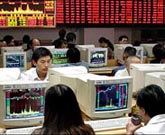
 Tokyo - Japanese Finance Minister Shoichi Nakagawa on Tuesday announced a series of government plans to stabilize the financial markets, including the use of public money to help regional banks.
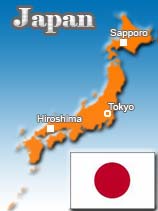 Tokyo - Never before has the Japanese economy been buffeted so severely by financial sources outside the country.
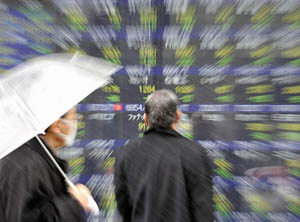 Tokyo - Stocks in Tokyo ended Friday trading lower, with the benchmark Nikkei 225 Stock Average plunging below the psychologically significant mark of 9,000 points for the first time in more than five years.
 Tokyo - Yamato Life Insurance Co became the first Japanese financial firm Friday to fail due to losses linked to the global financial crisis, a media report said.
TopNews Hindi
- FSSAI की शराब कार्रवाई: मैकडॉवेल्स नंबर 1, Old Monk, Antiquity Blue, Royal Challenge पर बैन
- Karuppu, Parasakthi, Thaai Kizhavi, Blast and Kara Among Best Tamil Movies for 2026
- Anupama, YRKKH, Vasudha, Tum Se Tum Tak: सबसे ज़्यादा देखे जाने वाले धारावाहिक
- 2026 FIFA World Cup Current Rankings and Betting Odds for Sports Betting Fans
- JEE Main 2026: Exam Dates, Eligibility, Syllabus जेईई मेन 2026 परीक्षा की तारीखें, योग्यता, सिलेबस

