Poles mark thaw of communism, last death at Berlin Wall
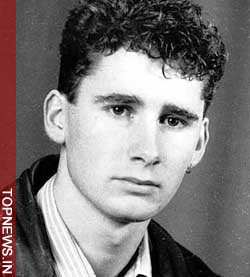 Berlin/Warsaw - When Chris Gueffroy became the last person to be killed crossing the Berlin Wall, nobody could know that within hours, communism would begin its inexorable fall in the Polish city of Warsaw, 500 kilometres east.
On February 6, 1989, Polish communist leaders sat down with the banned Solidarity labour union, led by Lech Walesa, to launch some two months of negotiations on power-sharing.
As Germans remember the victims of the Wall, Poles are marking the 20th anniversary of the historic talks where Solidarity negotiated for the first partly-free elections in post-war Poland.
Although the talks paved the way to an independent Poland, they were launched in an atmosphere of hopelessness and pessimism.
"The public mood in Poland had reached rock bottom," wrote historian Wojciech Roszkowski. "After long months of expectations, few still believed there was a way out of the impasse that leaders had driven the country into. The economy was terrible."
Across the border in East Germany, prospects for democracy were equally gloomy. Just days before, on January 19, Head of State Erich Honecker had said "the Wall will be standing in 50 and even in 100 years, if the reasons for it are not removed".
At the time, 20-year-old East Berliner Gueffroy was not relishing the prospect of starting his military service.
When an acquaintance told him that the border guards' firing order at the Berlin Wall had been lifted, he saw this as an opportunity to get away.
Together with a friend he started crossing the barriers between East and West shortly before midnight - until they were spotted by the guards who started firing at the pair.
Gueffroy died of a bullet to the heart, while his friend survived and was later sentenced to three years' prison.
Back in Warsaw, two months of tough negotiations led to the Round Table Agreements, which secured free elections in the newly-created Senate and in 35 per cent of the Parliament.
The agreements also legalized Solidarity and created the office of President.
"Only in stages, step by step, you could approach the communists and win with them," Walesa has said of the talks. "Each link has a meaning to the entire chain."
Solidarity-backed candidates later won a landslide victory on June 4, paving the way for greater freedom.
The news made headlines worldwide, covering the front pages along with protests in Tiananmen Square and the death of Iranian leader Ayatalloh Ruhullah Khomeini, Roszkowski wrote.
But none of it would have been possible without the Round Table, Walesa has said.
"If it wasn't for the Round Table, there would be no freedom of speech, and communism could have lasted, like Cuba or North Korea show," Walesa has said.
Back in East Germany, Gueffroy's death at the hand of border guards provoked international outrage, and Honecker quietly lifted the firing order along the Berlin Wall.
Although Gueffroy will be remembered as the last person to be shot at the Wall, there was one other fatal attempt to cross to West Berlin.
On March 8, 1989, Winfried Freudenberg crossed the border in a home made hot air balloon, but fell to his death in the garden of a West Berlin villa. (dpa)
TopNews Hindi
- Karuppu, Parasakthi, Thaai Kizhavi, Blast and Kara Among Best Tamil Movies for 2026
- Anupama, YRKKH, Vasudha, Tum Se Tum Tak: सबसे ज़्यादा देखे जाने वाले धारावाहिक
- 2026 FIFA World Cup Current Rankings and Betting Odds for Sports Betting Fans
- JEE Main 2026: Exam Dates, Eligibility, Syllabus जेईई मेन 2026 परीक्षा की तारीखें, योग्यता, सिलेबस
- Geojit ने Apollo Hospitals पर BUY कॉल दोहराया, Share Price Target Rs. 9,587

