Science News
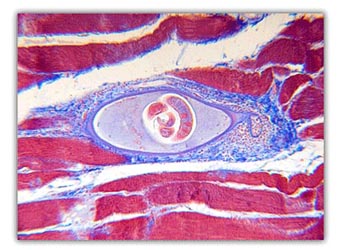 Washington, Apr 4 : Researchers at the University of Pennsylvania have discovered a new way to fight malaria - locking the disease-causing parasite inside the host cells.
 Washington, April 4: Scientists at Alfred University, US, have developed a process for making super-strong glass that is nearly unbreakable, even when dropped from 10 feet high onto a concrete floor.
  Washington, April 4 : Paleoanthropologists, working in Africa, have discovered stone blades more than a half-million years old, which pushes the date of the earliest known blades back a remarkable 150,000 years.
 Cairo, April 4 : An embalming bed used by ancient Egyptians to prepare the deceased for mummification has been discovered by chance in Luxor, Egypt.
 Washington, April 4 : An analysis of the inner surface of an 18,000-year-old skull assigned to Homo floresiensis, a species also known as the `hobbit', indicates that this tiny individual possessed a small brain blessed with souped-up intellectual capacities needed for activities such as making stone tools.
TopNews Hindi
- FSSAI की शराब कार्रवाई: मैकडॉवेल्स नंबर 1, Old Monk, Antiquity Blue, Royal Challenge पर बैन
- Karuppu, Parasakthi, Thaai Kizhavi, Blast and Kara Among Best Tamil Movies for 2026
- Anupama, YRKKH, Vasudha, Tum Se Tum Tak: सबसे ज़्यादा देखे जाने वाले धारावाहिक
- 2026 FIFA World Cup Current Rankings and Betting Odds for Sports Betting Fans
- JEE Main 2026: Exam Dates, Eligibility, Syllabus जेईई मेन 2026 परीक्षा की तारीखें, योग्यता, सिलेबस

