Health Update
 Recent research has revealed that the peppermint oil found in traditional candy canes, used for decorating Christmas trees can help in fighting germs and treat digestive disorders. Peppermint oil can act as the first line of defense against irritable bowel syndrome.
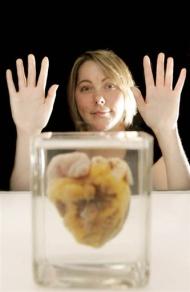 A recent research has revealed that a cancer drug can help in reversing the transplant rejection.
 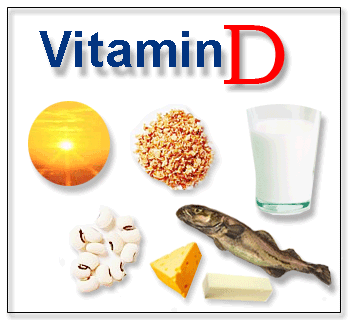 Recent research has revealed that deficiency of vitamin D in pregnant women doubles the chances of delivering a baby by caesarean section. The study focused on the relationship between maternal serum 25-hydroxyvitamin D [25(OH)D] and the prevalence of primary caesarean section. Researchers from Boston University School of Medicine (BUSM) and Boston Medical Center (BMC) analyzed the data collected from 253 pregnant women.
 Washington: According to a new study, long sleep can reduce the risk of heart disease. Study by research team at the University of Chicago suggests that participants, who slept an hour longer per night than others, had a lower incidence of coronary artery calcification.
  A recent study by the scientists has revealed that slow starvation of the brain from glucose may lead to Alzheimer’s disease.
 A 70-year-old septuagenarian C Das, from Orissa was diagnosed with prostate cancer two months ago. As his family was worried about the side- effects and the cost of treatment, Dr Vivek Anand, consultant radiation oncologist at Hinduja Hospital in Mahim, suggested a new form of treatment called as prostate brachytherapy which is more convenient solution for them and has fewer side effects.
 TopNews Hindi
- भारतीय क्रिकेट टीम बनाम इंग्लैंड क्रिकेट टीम के आंकड़े एवं टाइमलाइन
- FSSAI की शराब कार्रवाई: मैकडॉवेल्स नंबर 1, Old Monk, Antiquity Blue, Royal Challenge पर बैन
- Karuppu, Parasakthi, Thaai Kizhavi, Blast and Kara Among Best Tamil Movies for 2026
- Anupama, YRKKH, Vasudha, Tum Se Tum Tak: सबसे ज़्यादा देखे जाने वाले धारावाहिक
- 2026 FIFA World Cup Current Rankings and Betting Odds for Sports Betting Fans

