Health News
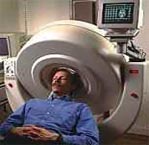 Washington, Mar 25 : A non-invasive brain scanning technique may trace a biomarker for Parkinson''s disease that would let physicians screen for or track the progression of the neurodegenerative disorder, according to a University of Illinois at Chicago neuroscientist.
 Washington, Mar 25: A team of scientists has developed a test that could help doctors precisely identify which breast cancer patients should receive aggressive therapy, thereby sparing many women at low risk for metastatic disease from undergoing unnecessary and potentially dangerous treatment.
  Washington, Mar 25: Scientists at University at Buffalo (UB) have developed a nanoparticle that can silence a gene that triggers drug addiction.
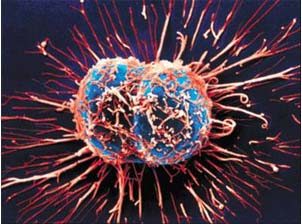 Washington, Mar 25: Aids drug ABC (Abacavir) can reduce proliferation and induce differentiation of human cancer cells, called medulloblastoma cells, by the downregulation of telomerase activity, according to new study.
 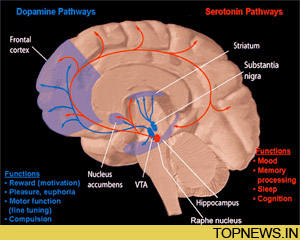 Washington, Mar 25: Researchers have found a brain region which predicts choices before we even know what they are.
TopNews Hindi
- Karuppu, Parasakthi, Thaai Kizhavi, Blast and Kara Among Best Tamil Movies for 2026
- Anupama, YRKKH, Vasudha, Tum Se Tum Tak: सबसे ज़्यादा देखे जाने वाले धारावाहिक
- 2026 FIFA World Cup Current Rankings and Betting Odds for Sports Betting Fans
- JEE Main 2026: Exam Dates, Eligibility, Syllabus जेईई मेन 2026 परीक्षा की तारीखें, योग्यता, सिलेबस
- Geojit ने Apollo Hospitals पर BUY कॉल दोहराया, Share Price Target Rs. 9,587

