Stock Markets
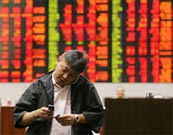 Manila - Philippine shares climbed by 2.32 per cent on Monday, buoyed by news about the United States government's ambitious plan to revive its ailing financial system.
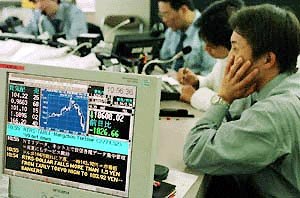 Tokyo - Stocks opened higher Monday in Tokyo as the market sentiment was cheered by the US government's 700-billion-dollar bailout plan to clean up bad assets.
 Sydney - Australian shares l
 Washington - The US Federal Reserve Board late Sunday agreed to applications by investment banks Morgan Stanley and Goldman Sachs to become bank holding companies.
TopNews Hindi
- FSSAI की शराब कार्रवाई: मैकडॉवेल्स नंबर 1, Old Monk, Antiquity Blue, Royal Challenge पर बैन
- Karuppu, Parasakthi, Thaai Kizhavi, Blast and Kara Among Best Tamil Movies for 2026
- Anupama, YRKKH, Vasudha, Tum Se Tum Tak: सबसे ज़्यादा देखे जाने वाले धारावाहिक
- 2026 FIFA World Cup Current Rankings and Betting Odds for Sports Betting Fans
- JEE Main 2026: Exam Dates, Eligibility, Syllabus जेईई मेन 2026 परीक्षा की तारीखें, योग्यता, सिलेबस

