Stock Markets
 Hong Kong - Hong Kong stocks ended a two-day rally Tuesday and fell back 3.87 per cent amid faltering confidence in the US plan to rescue large Wall Street debtors.
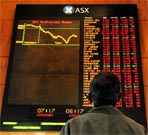 Sydney - Australian shares gave up some of their recent gains Tuesday in response to an overnight plunge on Wall Street.
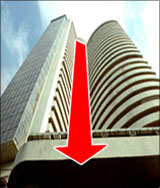 witnessed in frontline stocks such as real estate, banking and IT.
 markets as fears on the long-term implications of the USD 700 billion bailout plan troubled capitalists.
  Congress started challenging a 700-billion-dollar White House plan to rescue the US financial system Monday as US stocks plunged more than 3 per cent and industrialized countries pledged action to ensure global economic stability.
TopNews Hindi
- FSSAI की शराब कार्रवाई: मैकडॉवेल्स नंबर 1, Old Monk, Antiquity Blue, Royal Challenge पर बैन
- Karuppu, Parasakthi, Thaai Kizhavi, Blast and Kara Among Best Tamil Movies for 2026
- Anupama, YRKKH, Vasudha, Tum Se Tum Tak: सबसे ज़्यादा देखे जाने वाले धारावाहिक
- 2026 FIFA World Cup Current Rankings and Betting Odds for Sports Betting Fans
- JEE Main 2026: Exam Dates, Eligibility, Syllabus जेईई मेन 2026 परीक्षा की तारीखें, योग्यता, सिलेबस

