AMD launches its first tablet-optimized Z-60 microprocessor
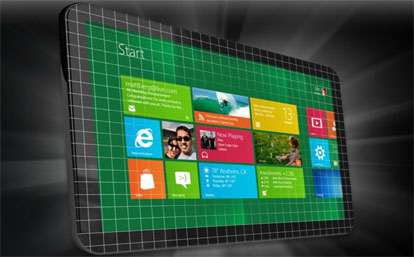 In a move which is evidently aimed at taking on Intel in the Windows 8 tablet arena, AMD has recently announced the launch of a new Z-60 dubbed `Hondo' --- the company's first tablet-optimized accelerated processing unit
(APU), a term that AMD uses for a microprocessor.
According to AMD, the new Z-60 APU will be positioned in the Windows 8 tablet market above the Atom line from Intel, and below the i3 - the lowest-power Core processor from Chipzilla.
Drawing comparatively lesser power than any of AMD's earlier-released Brazos-based parts, the new Z-60 is based on AMD's 64-bit, currently-out-of-use Bobcat core; as well as a modified Brazos platform that fits in appropriately between the Atom core and the solid compute cores of the i3.
The graphic attribution of the Z-60 comes from the AMD-acquired ATI team; with the microprocessor's graphics performance enhanced by its 80 Radeon HD 6250 graphics cores.
Among the other noteworthy features of the Z-60 are: support for two USB 3.0 ports; 6Gb/sec SATA support; DirectX 11 support; AMD Start Now technology for speedier booting; HD video and image enhancement circuitry; and power-management tweaks for providing enhanced battery life of up to 10 hours.
Noting that AMD considers Z-60 to be a "nice sweet spot" processor, AMD marketeer Christopher Sutphen said that the new chip can "provide great value with the right balance of performance, battery life, and value to the customer, all being delivered in sexy form factors as thin as 10 millimeters."
TopNews Hindi
- FSSAI की शराब कार्रवाई: मैकडॉवेल्स नंबर 1, Old Monk, Antiquity Blue, Royal Challenge पर बैन
- Karuppu, Parasakthi, Thaai Kizhavi, Blast and Kara Among Best Tamil Movies for 2026
- Anupama, YRKKH, Vasudha, Tum Se Tum Tak: सबसे ज़्यादा देखे जाने वाले धारावाहिक
- 2026 FIFA World Cup Current Rankings and Betting Odds for Sports Betting Fans
- JEE Main 2026: Exam Dates, Eligibility, Syllabus जेईई मेन 2026 परीक्षा की तारीखें, योग्यता, सिलेबस

