Pharmaceutical Sector
 Sun Pharmaceutical Industries announced that it has secured final approval from US Food and Drug Administration (USFDA) for its abbreviated new drug application (ANDA) to market generic Topamax, topiramate tablets.
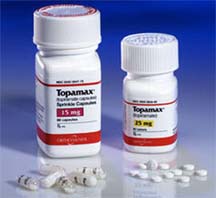 US health regulator Food and Drug Ad
 India’s Aurobindo Pharma has notified that it has secured final approval from US Food and Drug Administration (USFDA) for marketing Topiramate tablets.
 GlaxoSmithKline Plc (GSK.L) will share over 800 of its patents with researchers trying to make new medicines for tropical diseases, including malaria, and HIV/Aids.
 Swiss drug manufacturer Novartis AG made an open offer to purchase an additional equity stake of 39% in its Indian arm Novartis India Ltd. for a total value of up to Rs 440 crore.
 The country's largest pharmaceutical company, Ranbaxy Laboratories Ltd has managed to get Good Manufacturing Practice (GMP) certificates from the concerned departments in the UK and Australia for its Paonta Sahib plant.
 TopNews Hindi
- FSSAI की शराब कार्रवाई: मैकडॉवेल्स नंबर 1, Old Monk, Antiquity Blue, Royal Challenge पर बैन
- Karuppu, Parasakthi, Thaai Kizhavi, Blast and Kara Among Best Tamil Movies for 2026
- Anupama, YRKKH, Vasudha, Tum Se Tum Tak: सबसे ज़्यादा देखे जाने वाले धारावाहिक
- 2026 FIFA World Cup Current Rankings and Betting Odds for Sports Betting Fans
- JEE Main 2026: Exam Dates, Eligibility, Syllabus जेईई मेन 2026 परीक्षा की तारीखें, योग्यता, सिलेबस

