Severe Acne Raises Suicide Risk, Study Finds
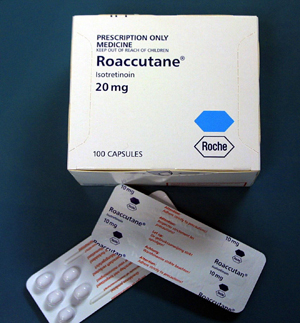 People who are being cured for acne should opt for a check-up for their mental health according to a recent study.
An infamous acne drug was responsible found to increase the risk of suicide, despite early reports. The study has been performed on 5,700 people, in the British Medical Journal, was performed out at the Karolinska Institute, Sweden between 1980 and 2001
Acne proves to have serious psychological effects, claim the experts.
Grave acne sufferers are commonly known drug as called isotretinoin, also known as Roaccutane, Accutane, Amnesteem, Claravis, Clarus or Decutan. It has been in used since the 1980s to take care of acne if antibiotics do not prove any good.
Results claim that there are reports associated with isotretinoin which cause depression and suicidal behavior. Dr Anders Sundstrom and his research team from Sweden who did the study saw the attempts of suicide, during and after treatment with this drug for severe acne.
It was further observed that out of 128 of the 5,700 patients examined who consumed the drug tend to attempt suicide and was admitted to health care units.
The risk of suicide increased in the next six months of ending treatment – but study groups claim that if the acne improved following treatment it was usually distraught which was linked to an improvement in their social life.
Dr Sundstrom said of his findings: "The underlying condition of acne is a more important factor for suicide attempts. We are not certain the drug adds anything. It is difficult to tease out the relation between mental health and isotretinoin because acne itself is associated with psychiatric morbidity, including depression."
TopNews Hindi
- यिंग्यू यूनिवर्स का गुओफू क्वांटम में 300 मिलियन हांगकांग डॉलर का रणनीतिक निवेश
- Solana ट्रेजरी कंपनी SOL Strategies की Nasdaq लिस्टिंग
- Gamdom ईस्पोर्ट्स, Spartans और Stake.com क्रिप्टोकरेंसी बेटिंग में ग्लोबल लीडर
- MEXC क्रिप्टोकरेंसी एक्सचेंज और Da Vinci की रणनीतिक साझेदारी
- रिपल (XRP Cryptocurrency)और थ्यूनेस की रणनीतिक साझेदारी का नया चरण

