Alberta


 To help millions of diabetes patients worldwide who need regular glucose monitoring, electric engineers from the Schulich School of Engineering at the University of Calgary have developed an electronic mosquito for them.
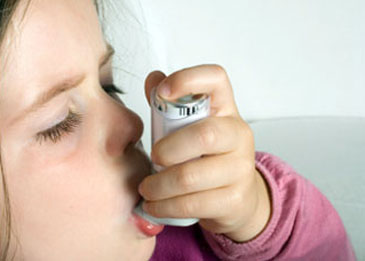 Recent research has shown that junk food increases the risk of asthma in children who tend to have lower risk of asthma due to breastfeeding. Earlier researches have shown that breastfeeding for more than three months lowers the risk of asthma.
TopNews Hindi
- भारतीय क्रिकेट टीम बनाम इंग्लैंड क्रिकेट टीम के आंकड़े एवं टाइमलाइन
- FSSAI की शराब कार्रवाई: मैकडॉवेल्स नंबर 1, Old Monk, Antiquity Blue, Royal Challenge पर बैन
- Karuppu, Parasakthi, Thaai Kizhavi, Blast and Kara Among Best Tamil Movies for 2026
- Anupama, YRKKH, Vasudha, Tum Se Tum Tak: सबसे ज़्यादा देखे जाने वाले धारावाहिक
- 2026 FIFA World Cup Current Rankings and Betting Odds for Sports Betting Fans

