TNM
 Jet Airways, owing to the accumulated losses and the current slowdown in the economy, has announced a slew of cost-cutting measures, including a 5-25 per cent cut in salaries of its employees who are earning above Rs 75,000 per month. The airline said in a media statement that for the pilots, this will be in the form of a combination of wage cut and allowance rationalisation, which will bring the contribution of pilots in line with the company's other employees.
  Tata Motors commercial vehicles plant at Pune shall be shut down for 3 days again this month, owing to poor demand in the market. Demand for commercial vehicles has been severely hit by lack of vehicle financing, rising interest rates and higher input costs.
 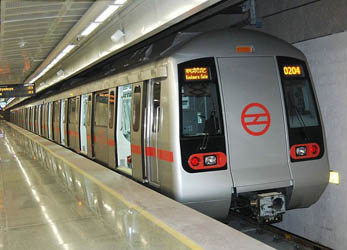 To celebrate the success and to mark the ten years of commencement of construction of Delhi metro, a museum tracing its history will soon be set up on one of its station premises, showcasing the origin and memorable moments during the construction of one of the most ambitious Mass Rapid Transit System (MRTS) of modern India.
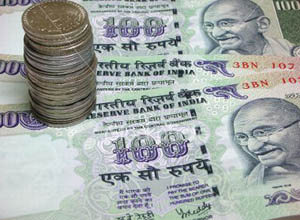 Assets under management (AUM) of mutual fund industry continued to decline for the third consecutive month. It has declined 7 per cent in November as compared to its level in October. Total assets currently stood at Rs 4,02,029 crore and it has seen second-highest monthly decline in a month.
 ZTE, the worldwide provider of telecommunications equipment and network solutions, has strengthened its focus on the research and development (R&D) to introduce cheap products in the global market without compromising on the quality.
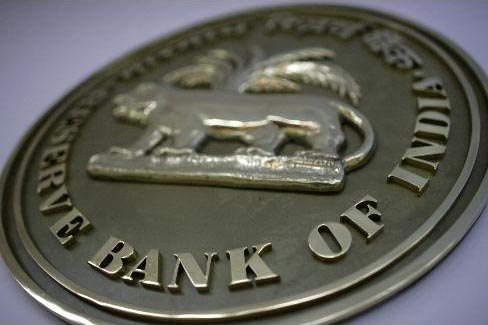 The Reserve Bank India (RBI) would not directly lend US dollars to the financial institutions from the foreign exchange reserves of the country. Earlier, the Export-Import Bank of India (Exim Bank) had requested the Reserve Bank to issue direct dollar credit line to meet its lending requirements. Exim Bank is facing difficulty in getting funds from overseas institutions due to the international financial crisis. Exim Bank provides funds to exporters, importers and to the Indian companies planning investments overseas.
 TopNews Hindi
- एचडीएफसी एएमसी (HDFC AMC) Share पर BUY की सलाह; लक्ष्य मूल्य Rs 3,006: बीओबी कैपिटल मार्केट्स
- भारतीय क्रिकेट टीम बनाम इंग्लैंड क्रिकेट टीम के आंकड़े एवं टाइमलाइन
- FSSAI की शराब कार्रवाई: मैकडॉवेल्स नंबर 1, Old Monk, Antiquity Blue, Royal Challenge पर बैन
- Karuppu, Parasakthi, Thaai Kizhavi, Blast and Kara Among Best Tamil Movies for 2026
- Anupama, YRKKH, Vasudha, Tum Se Tum Tak: सबसे ज़्यादा देखे जाने वाले धारावाहिक

