Science News
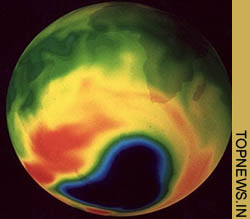 Washington, March 20 : A new simulation has shown that if 193 nations had not agreed to ban ozone-depleting substances, then nearly two-thirds of Earth''s ozone would have been gone by the year 2065.
 London, March 20 : A rare three-eyed lizard, which has lineage dating back to the dinosaur age, has been found in Wellington, New Zealand.
 Washington, March 20 : A new study by scientists has determined that it would be much more difficult to detect Earth-sized worlds that are habitable than previously believed.
 London, March 20 : A major 7.9-magnitude earthquake that struck off the Tonga islands region has led local radio stations to issue a tsunami warning for Tonga, Samoa and Fiji.
 Washington, March 20 : Two Syracuse University researchers in New York have created a new surface material that can resist the growth of biolfilm, a sticky build-up of bacteria, and thus may lead to better medical implants.
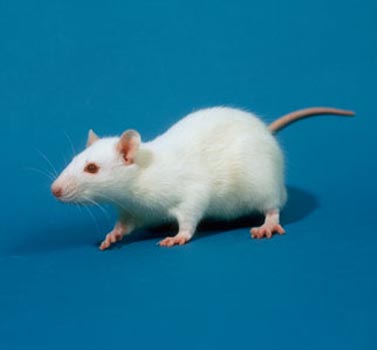 Washington, March 20 : Scientists at the University of Pennsylvania School of Medicine have announced the creation of transplantable living nerve tissue that encourages and guides regeneration in an animal model.
TopNews Hindi
- Karuppu, Parasakthi, Thaai Kizhavi, Blast and Kara Among Best Tamil Movies for 2026
- Anupama, YRKKH, Vasudha, Tum Se Tum Tak: सबसे ज़्यादा देखे जाने वाले धारावाहिक
- 2026 FIFA World Cup Current Rankings and Betting Odds for Sports Betting Fans
- JEE Main 2026: Exam Dates, Eligibility, Syllabus जेईई मेन 2026 परीक्षा की तारीखें, योग्यता, सिलेबस
- Geojit ने Apollo Hospitals पर BUY कॉल दोहराया, Share Price Target Rs. 9,587

