Space telescope observatories – Herschel and Planck – launched successfully
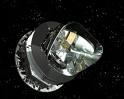 Just when the NASA astronauts were busy upgrading, repairing and fixing the problems of the Hubble space telescope, the European Space Agency (ESA) launched two most advanced space telescope observatories – Herschel and Planck – into space. The Ariane-5 rocket, carrying the two telescope observatories – Herschel and Planck – was blasted off from Guiana Space Centre at Kourou, French Guiana, on Thursday (May 14).
The European scientists claimed that Herschel and Planck will help reveal the mystery of the origin of the universe. "We are seeking the origins of the universe," said Jean-Yves Le Gall, the Chairman and CEO of French satellite launcher Arianespace, which built the rocket.
The 7.5m Herschel, named after the Uranus discoverer William Herschel, is the largest telescope ever launched into space. It is quipped with a mirror of 3.5m (11ft) in diameter, larger that the Hubble’s mirror of 2.5m in diameter. The Planck, named after Max Planck, the German physicist regarded as the father of quantum mechanics, is also equipped with a powerful mirror.
According to the European scientists, the Herschel will probe into the formation of stars and galaxies, and the Planck will collect data on radiation from the big bang explosion, which scientists believe formed stars and planets.
TopNews Hindi
- FSSAI की शराब कार्रवाई: मैकडॉवेल्स नंबर 1, Old Monk, Antiquity Blue, Royal Challenge पर बैन
- Karuppu, Parasakthi, Thaai Kizhavi, Blast and Kara Among Best Tamil Movies for 2026
- Anupama, YRKKH, Vasudha, Tum Se Tum Tak: सबसे ज़्यादा देखे जाने वाले धारावाहिक
- 2026 FIFA World Cup Current Rankings and Betting Odds for Sports Betting Fans
- JEE Main 2026: Exam Dates, Eligibility, Syllabus जेईई मेन 2026 परीक्षा की तारीखें, योग्यता, सिलेबस

