Japan
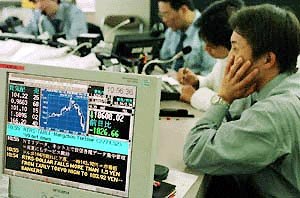 Tokyo - Tokyo's marketd climbed again in early trading Friday after a surge on New York's Wall Street late Thursday, with the Nikkei index of 225 leading companies gaining 265.33 points or 3.14 per cent to 8,723.78 at 9:19 am.
 New York - Austria, Iceland, Iran, Japan, Mexico, Turkey, and Uganda are competing for five seats on the UN Security Council in an election on Friday in the UN General Assembly.
TopNews Hindi
- Karuppu, Parasakthi, Thaai Kizhavi, Blast and Kara Among Best Tamil Movies for 2026
- Anupama, YRKKH, Vasudha, Tum Se Tum Tak: सबसे ज़्यादा देखे जाने वाले धारावाहिक
- 2026 FIFA World Cup Current Rankings and Betting Odds for Sports Betting Fans
- JEE Main 2026: Exam Dates, Eligibility, Syllabus जेईई मेन 2026 परीक्षा की तारीखें, योग्यता, सिलेबस
- Geojit ने Apollo Hospitals पर BUY कॉल दोहराया, Share Price Target Rs. 9,587

