Science News
 Washington, April 15 : A new study of storm-related deaths from a super cyclone that hit the eastern coast of India in 1999 finds that villages shielded from the storm surge by mangrove forests experienced significantly fewer deaths than villages that were less protected.
 Washington, April 15 : Twin NASA spacecraft have provided scientists with their first view of the speed, trajectory, and three-dimensional shape of powerful explosions from the sun known as coronal mass ejections, or CMEs.
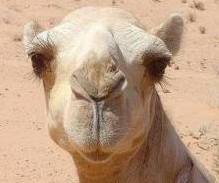 Dubai - Scientists in Dubai have created the world's first cloned camel, a local newspaper reported Tuesday. Injaz, or "Achievement," was born at 4:30 pm on April 8, as a healthy female calf, the Emirati daily The National reported on Tuesday. She is the first cloned camel.
 Washington, April 14 : A new research has shown that chemicals commonly used to clean up oil spills make oil far more toxic to fish, particularly for eggs and young fish.
 Washington, Apr 14 : Scientists from The University of Texas Health Science Centre at Houston are developing a robotic device to help recovering stroke and spinal cord injury patients.
TopNews Hindi
- FSSAI की शराब कार्रवाई: मैकडॉवेल्स नंबर 1, Old Monk, Antiquity Blue, Royal Challenge पर बैन
- Karuppu, Parasakthi, Thaai Kizhavi, Blast and Kara Among Best Tamil Movies for 2026
- Anupama, YRKKH, Vasudha, Tum Se Tum Tak: सबसे ज़्यादा देखे जाने वाले धारावाहिक
- 2026 FIFA World Cup Current Rankings and Betting Odds for Sports Betting Fans
- JEE Main 2026: Exam Dates, Eligibility, Syllabus जेईई मेन 2026 परीक्षा की तारीखें, योग्यता, सिलेबस

