Health Update
 United Nations AIDS agency in a report said that if India is unable to check the steep rise in the number of intravenous drug users, HIV/AIDS infection will spread at alarming rates. There are already 2.5 million people suffering from AIDS in India and if unchecked, the number could easily reach 10 million by 2010.
 A German doctor said that a patient suffering from leukemia and infected with the immunodeficiency virus that causes AIDS could be cured of the virus. A bone marrow transplant from a donor who had a genetic resistance to the virus is said to be the cure.
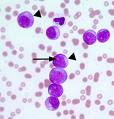 An American team of researchers has identified eight genes that may play a significant role in leukemia. The study carried out at Washington University in St Louis, by Richard Wilson, who attributed the breakthrough to a fast pace of whole-genome sequencing that is now available at a low price. Wilson said the genes that cause other illness and diseases may also be discovered soon, which will help scientists not only understand the disease but to find a treatment for it as well.
 Researchers say that heart transplant patients’ survival chances improve if the sex of the donor and patient is the same. The study, presented at a New Orleans meeting of the American Heart Assn. articulates that the survival rate goes up by as much as 25 % if the sex of both the donor and the recipient is the same. Although men and women's hearts are anatomically identical, researchers feel it could be due to differences in size or immune systems between the sexes.
 China's drug regulator, the State Food and Drug Administration (SFDA), ordered the withdrawal of a hemorrhoid medicine over concerns that it might cause liver problems.
 The researchers at the University of North Carolina articulate that cell phone text messaging could be used to reduce kids' chances of becoming fat later in life. Their study suggests that helping kids self monitor their calorie intake and modify it themselves could be important for the long-term success of weight loss and weight control.
TopNews Hindi
- भारतीय क्रिकेट टीम बनाम इंग्लैंड क्रिकेट टीम के आंकड़े एवं टाइमलाइन
- FSSAI की शराब कार्रवाई: मैकडॉवेल्स नंबर 1, Old Monk, Antiquity Blue, Royal Challenge पर बैन
- Karuppu, Parasakthi, Thaai Kizhavi, Blast and Kara Among Best Tamil Movies for 2026
- Anupama, YRKKH, Vasudha, Tum Se Tum Tak: सबसे ज़्यादा देखे जाने वाले धारावाहिक
- 2026 FIFA World Cup Current Rankings and Betting Odds for Sports Betting Fans

