Health Update
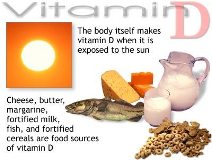 According to a new research article, enough amount of Vitamin D intake may reduce the risk of diabetes and other diseases like heart disease, cancer and osteoporosis. By taking Vitamin D, the complications in a diabetic patient can be reduced.
  A new research revealed that women are more susceptible to the rheumatoid arthritis than men. Due to the disease they are more likely to suffer pain, tiredness and aches.
  The scope of treatment with stem cells has widened over the years. Stem cells can be used in treatment of 80 diseases like heart ailments, diabetes, skin trauma, certain cancers like leukaemia and breast cancer, and blood disorders like thalassemia major.
 Vicks VapoRub has been popularly used to relive symptoms of common cold from many years.
  Recent research revealed that higher-than-normal levels of insulin increase the risk of breast cancer in postmenopausal women.
 Recent study revealed that a brief test known as pulse oximetry screening on newborn babies can help in detection of duct dependent congenital heart disease.
 TopNews Hindi
- FSSAI की शराब कार्रवाई: मैकडॉवेल्स नंबर 1, Old Monk, Antiquity Blue, Royal Challenge पर बैन
- Karuppu, Parasakthi, Thaai Kizhavi, Blast and Kara Among Best Tamil Movies for 2026
- Anupama, YRKKH, Vasudha, Tum Se Tum Tak: सबसे ज़्यादा देखे जाने वाले धारावाहिक
- 2026 FIFA World Cup Current Rankings and Betting Odds for Sports Betting Fans
- JEE Main 2026: Exam Dates, Eligibility, Syllabus जेईई मेन 2026 परीक्षा की तारीखें, योग्यता, सिलेबस

