Russia
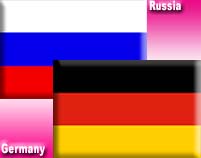 Berlin - The Russian ambassador in Germany, Vladimir Kotenev, called for more international understanding for Moscow on Friday, saying that problems such as terrorism should only be solved "with Russia, not against Russia."
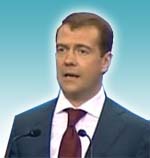 Sochi, Russia - Russian President Dimitry Medvedev Friday described Poland's decision to go ahead with the stationing of parts of a US anti-missile shield on its territory as "sad for Europe," but simultaneously spoke out against "dramatizing" the conflict.
 Moscow, Aug 15 : Russian ambassador to Great Britain Yury Fedotov has said that London’s efforts to politicise the “death” case of Alexander Litvinenko’s a former officer of the Russia’s Federal Security Service (FSB), had resulted in deterioration of UK-Russia relations.
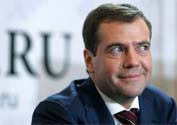 Berlin - The conflict between Georgia and Russia over South Ossetia is to top the agenda when German Chancellor Angela Merkel travels to the Black Sea resort of Sochi Friday for talks with Russian President Dimitry Medvedev, German media reported.
TopNews Hindi
- भारतीय क्रिकेट टीम बनाम इंग्लैंड क्रिकेट टीम के आंकड़े एवं टाइमलाइन
- FSSAI की शराब कार्रवाई: मैकडॉवेल्स नंबर 1, Old Monk, Antiquity Blue, Royal Challenge पर बैन
- Karuppu, Parasakthi, Thaai Kizhavi, Blast and Kara Among Best Tamil Movies for 2026
- Anupama, YRKKH, Vasudha, Tum Se Tum Tak: सबसे ज़्यादा देखे जाने वाले धारावाहिक
- 2026 FIFA World Cup Current Rankings and Betting Odds for Sports Betting Fans

