LT Foods Share Price Target at Rs 500: Motilal Oswal
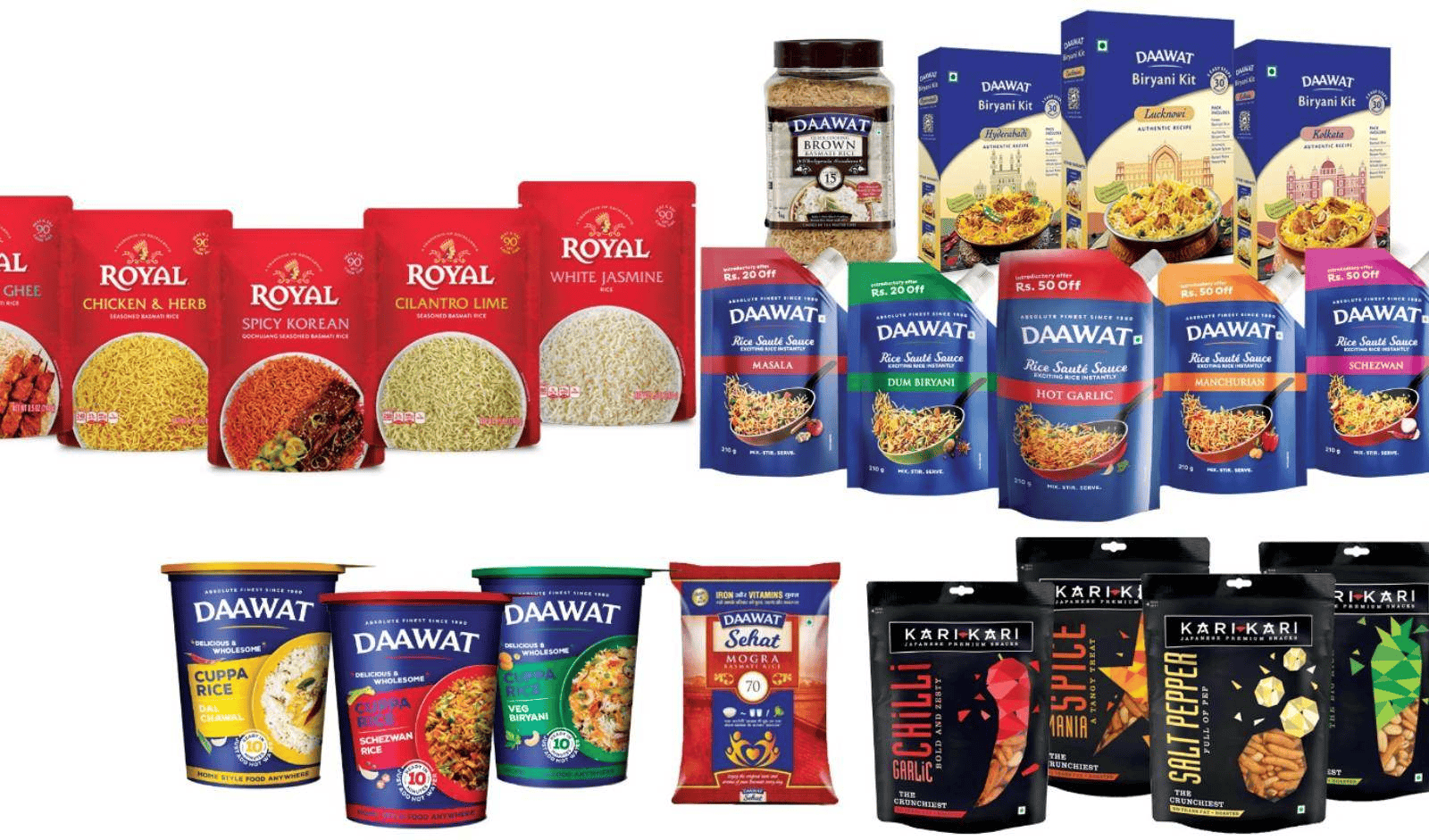
LT Foods has been suggested as BUY Call by research team at Motilal Oswal. LT Foods has successfully navigated tariff disruptions in the US, mitigated input cost pressures through strategic inventory management, and strengthened its balance sheet over the past decade. Despite near-term geopolitical and freight-related challenges, LT Foods’ diversified geographic exposure and premium product positioning provide resilience. With strong earnings visibility, improving margins, and structural tailwinds from trade normalization, the research house sees a compelling re-rating opportunity, maintaining a BUY call with a target price of Rs 500, implying 22% upside.
Strategic Inflection: Multiple Catalysts Align for Re-Rating
LT Foods is entering a high-conviction growth phase driven by external tailwinds and internal financial discipline. The company has demonstrated its ability to transform macro disruptions into structural opportunities, particularly in its key US market, which contributes approximately 46% of revenue.
The reduction in US tariffs from 50% to 10% marks a decisive turning point. What was once a margin-dilutive headwind has now evolved into a structural tailwind, unlocking volume growth, margin recovery, and improved competitiveness versus global peers.
US Business Resilience: Pricing Power Validated
The company successfully passed on most of the 50% tariff burden to consumers. This highlights strong brand equity, particularly for flagship brands like Daawat and Royal, which enjoy significant stickiness among global consumers.
Tariff normalization now enables three major advantages:
Volume Upside: Competitive pricing can be reinstated in the US market.
Margin Expansion: Partial recapture of earlier margin erosion.
Competitive Parity: Indian basmati regains ground against Pakistani exports.
This strategic shift positions LT Foods favorably in one of its most critical geographies.
Input Cost Pressures: Managed Through Structural Strengths
Basmati paddy prices have risen ~12% in the 2025 crop cycle, posing near-term margin pressure. Given that raw material costs constitute 70–80% of total expenses, this translates to an estimated 830–940 basis points gross margin headwind.
However, LT Foods has demonstrated strong mitigation capabilities:
Key cushioning factors include:
Aged Inventory Model: Cost impact is staggered over 12–18 months.
Premium Export Realizations: Export pricing (~Rs 144/kg) offers higher margin buffers versus domestic (~Rs 64/kg).
Operational Discipline: Improved working capital cycle enhances financial flexibility.
Notably, gross margins expanded to ~34% in 9MFY26 despite rising input costs, reflecting execution strength.
Balance Sheet Transformation: A Decade of Financial Discipline
LT Foods has delivered robust financial compounding over FY20–25.
Revenue CAGR: ~16%
Adjusted PAT CAGR: ~27%
Free Cash Flow Generated: ~Rs 16 billion
The company’s credit profile has significantly strengthened, leading to a CRISIL AA/Stable upgrade in February 2026. This marks a transition from a working-capital-heavy exporter to a globally diversified FMCG player.
Additionally, working capital days improved meaningfully from 244 days in FY21 to 196 days in FY25, driven by better procurement and supplier credit strategies.
Ecopure CVD Resolution: Major Overhang Significantly Reduced
The US Department of Commerce reduced Ecopure’s countervailing duty from 340.27% to 75.48%. This sharp reduction lowers the potential liability from Rs 1.63 billion to approximately Rs 400 million.
This development is critical for two reasons:
De-risking of Organic Segment: Ecopure contributes ~11% of revenue.
Restoration of Export Viability: Lower duty enables continued participation in the US market.
The company is also exploring further legal remedies, indicating potential additional upside.
Geopolitical Risks: Middle East Conflict Creates Short-Term Volatility
The ongoing US–Israel–Iran conflict has disrupted global basmati trade flows. Approximately 400,000 MT of Indian basmati rice remains stuck in transit, while freight rates have surged 3–4x.
Impact on LT Foods includes:
Elevated logistics costs
Delayed shipments and working capital stress
Pressure on export margins
However, mitigating factors remain:
Strategic buffers include:
Limited reliance on the Middle East (~9% revenue exposure)
Strong North American presence
Recent ceasefire easing logistical constraints
Additionally, a 5–6% correction in basmati prices partially offsets input cost inflation.
Global Demand Dynamics: Structural Growth Intact
The basmati rice export market continues to expand steadily. According to the export table on page 6, total basmati exports increased from 39.4 million MT in 2021–22 to 52.4 million MT in 2023–24.
Key export markets include:
Saudi Arabia (~21% share)
Iran (~11.6% share)
Iraq (~15.2% share)
This diversified demand base underpins long-term growth visibility.
Financial Outlook and Growth Projections
LT Foods is expected to deliver strong earnings growth over FY25–28:
Revenue CAGR: ~17%
EBITDA CAGR: ~18%
PAT CAGR: ~18%
Valuations remain attractive:
FY28E P/E: ~14x
EV/EBITDA: ~9x
The company is valued at 17x FY28E EPS, supporting the target price of Rs 500.
Investment Thesis: Strong Upside with Controlled Risks
Key Investment Positives:
Structural tailwinds from US tariff normalization
Strong brand equity and pricing power
Improving balance sheet and cash flows
Reduced regulatory overhang (Ecopure)
Diversified geographic exposure
Key Risks:
Sustained paddy price inflation
Escalation in geopolitical tensions
Freight cost volatility
Currency fluctuations
Stock Levels and Investor Strategy
Current Market Price: Rs 410
Target Price: Rs 500
Upside Potential: ~22%
Suggested Strategy:
Accumulation Zone: Rs 390 – Rs 420
Short-Term Resistance: Rs 450
Medium-Term Target: Rs 500
Support Levels: Rs 360 – Rs 380
Recommendation: BUY with a medium-term investment horizon, as structural catalysts outweigh near-term volatility.

