Vienna - Oil ministers from the Organization of the Petroleum Exporting Countries (OPEC) set to meet Friday in Vienna were expected to cut oil production in reaction to falling prices and slowing demand.
Several of the cartel's 13 members had indicated before the meeting that they were in favour of lowering the group's joint output by at least 1 million barrels per day. One barrel equals 159 litres.
Since mid-October, the basket price of OPEC crude has hovered below 70 dollars per barrel, down from its July high of 140.73 dollars.
According to a new study published in Human Reproduction, women who were severely depressed during early pregnancy were twice as likely to have a preterm delivery. The worse the depression the greater was the risk of giving birth prematurely, the leading cause of infant mortality.
Wellington - New Zealand's Asian community - the fastest-growing group in the nation of just under 4.3 million - is poised to make its voice heard as never before in parliament after next month's general election.
Up to four other Asians could join current members Chinese migrant Pansy Wong and Pakistani Muslim Ashraf Choudhary in the House of Representatives after the poll on November 8.
They will not be a huge bloc in the parliament of about 120 seats, but will have an important profile, given predictions that the number of Asians could near 800,000, close to the estimated indigenous Maori population, inside two decades.
 Vienna - Oil ministers from the Organization of the Petroleum Exporting Countries (OPEC) set to meet Friday in Vienna were expected to cut oil production in reaction to falling prices and slowing demand.
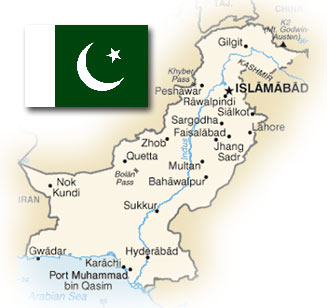 Islamabad - Five children were killed and two i
