Science News
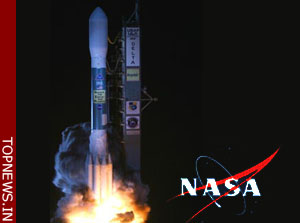 Washington, April 17 : NASA's Kepler mission has taken its first images of the star-rich sky where it will soon begin hunting for planets like Earth.
 With the consistent, almost two months-long efforts of the scientists at the Institute of Genomics and Integrative Biology (IGIB), New Delhi, a striped 'Zebra fish,' picked up from a rivulet in Assam, has become the first vertebrate in India to have its whole genome sequenced.
 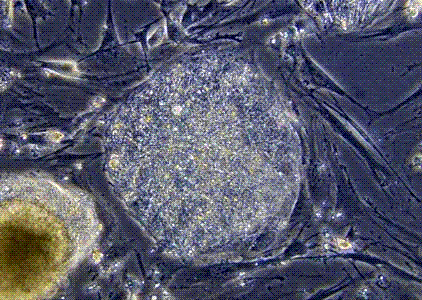 Washington, April 16 : A team of biologists is studying a tiny and diverse group of marine organisms to find how plant cells, that live in the oceans and serve as the basic food supply for many of the world's sea creatures, react to climate change.
 Washington, April 16 : In the first demonstration of its kind, researchers at the University of British Columbia have controlled the spin of electrons using a ballistic technique.
 Washington, April 16 : Scientists from the Monell Center in the US have reported that the red panda is the first non-primate mammal to display a liking for the artificial sweetener aspartame.
TopNews Hindi
- FSSAI की शराब कार्रवाई: मैकडॉवेल्स नंबर 1, Old Monk, Antiquity Blue, Royal Challenge पर बैन
- Karuppu, Parasakthi, Thaai Kizhavi, Blast and Kara Among Best Tamil Movies for 2026
- Anupama, YRKKH, Vasudha, Tum Se Tum Tak: सबसे ज़्यादा देखे जाने वाले धारावाहिक
- 2026 FIFA World Cup Current Rankings and Betting Odds for Sports Betting Fans
- JEE Main 2026: Exam Dates, Eligibility, Syllabus जेईई मेन 2026 परीक्षा की तारीखें, योग्यता, सिलेबस

