Health Update
 The NHS budget has doubled in the past five years, from £45bn to £90bn, the fastest growth in its history. While some NHS workers have enjoyed a pay bonanza, it has not been spread evenly. The biggest rises have gone to doctors, with senior GPs who run their own practices enjoying rises of 58 per cent on average in the three years from 2003 - an average income of £113,614.
 Researchers say in the British Medical Journal that guidelines on irritable bowel syndrome (IBS) should be updated in light of the recent findings that older 'overlooked' treatments - using fiber, antispasmodic drugs, and peppermint oil - may end up being the best option for IBS patients.
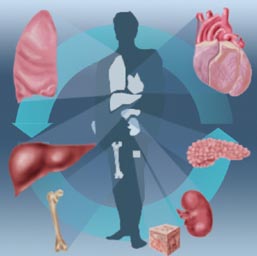 The Times reports claim that introduction of 'presumed consent' for the donation of vital organs is to be rejected by the UK government's Organ Donation Taskforce, thereby aiming to give the recent reform of the existing system a chance to work. The taskforce was set up in 2007 to explore ways of boosting transplants across the UK.
 Figure out this one - 39 oncologists (cancer specialist doctors) treating more than 40,000 new cases of cancer every year in Malaysia.
  A new study has revealed that facial scars boost men’s attractiveness towards women.
 Canadian researchers have said that women, with a family history of breast cancer, who test negative for two genetic mutations commonly linked to breast cancer, could still be at a high risk of developing the disease. The genes in question are BRCA1 and BRCA2, which are linked with particularly aggressive hereditary breast cancer and an increased risk of ovarian cancer as well.
TopNews Hindi
- Karuppu, Parasakthi, Thaai Kizhavi, Blast and Kara Among Best Tamil Movies for 2026
- Anupama, YRKKH, Vasudha, Tum Se Tum Tak: सबसे ज़्यादा देखे जाने वाले धारावाहिक
- 2026 FIFA World Cup Current Rankings and Betting Odds for Sports Betting Fans
- JEE Main 2026: Exam Dates, Eligibility, Syllabus जेईई मेन 2026 परीक्षा की तारीखें, योग्यता, सिलेबस
- Geojit ने Apollo Hospitals पर BUY कॉल दोहराया, Share Price Target Rs. 9,587

