Health Update
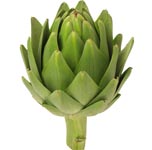 Wurzburg, Germany - Gourmets consider the artichoke a tasty delicacy, but for people with digestive problems its bitterness is a helpful natural cure.
 The report released on Friday indicates that, even though the overall prevalence rate is small (up to 0.5%), there is rising HIV occurrence among susceptible groups at increased risk for HIV virus, comprising sex workers and their customers, and injecting drug users and their partners.
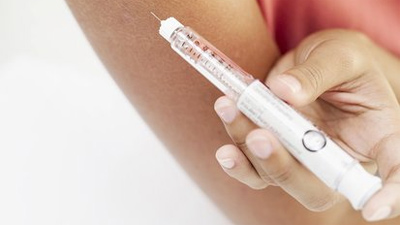 Melanotan I and Melanotan II popularly sold as "injectable tan" can lead to worrying changes in skin moles. Medical experts have issued warning regarding use of such tanning jab as these products are not been tested for safety, quality or effectiveness and that its side-effects were unknown. These products are advertised and sold illegally on the internet and in some tanning salons and body building gyms.
  Geneva - United Nations agencies and other groups started a polio vaccine campaign Friday which aims to immunize 53 million children in West Africa over the course of the next month.
 According to a new study if you want to lose weight it doesn't matter which diet you choose but what matters is how much or little you eat.
 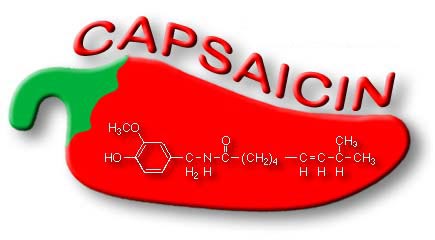 Recent study revealed that capsaicin, the compound that gives chili peppers their fiery flavor can also help in relieving joint and muscle pain. Study indicated that capsaicin flips on nerve-ending receptors that sense both pain and heat.
TopNews Hindi
- Karuppu, Parasakthi, Thaai Kizhavi, Blast and Kara Among Best Tamil Movies for 2026
- Anupama, YRKKH, Vasudha, Tum Se Tum Tak: सबसे ज़्यादा देखे जाने वाले धारावाहिक
- 2026 FIFA World Cup Current Rankings and Betting Odds for Sports Betting Fans
- JEE Main 2026: Exam Dates, Eligibility, Syllabus जेईई मेन 2026 परीक्षा की तारीखें, योग्यता, सिलेबस
- Geojit ने Apollo Hospitals पर BUY कॉल दोहराया, Share Price Target Rs. 9,587

