World Economy
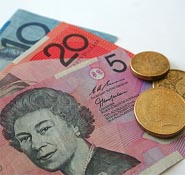 Sydney - Interest rates in Australia were unchanged at 3.25 per cent Tuesday after the central bank decided further relaxing monetary policy would increase inflationary pressures.
 Wellington - The New Zealand economy, which has been in recession since early last year, faces a "long, slow grind" back to normality, the country's leading economic think tank said Tuesday.
 Cairo - Since the beginning of 2009, the blare of ships' horns passing through the Suez Canal has become less frequent, so it came as no surprise when latest figures showed a drop in canal revenues.
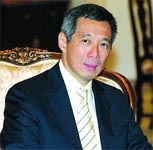 Singapore - Singapore Prime Minister Lee Hsien Loong said in an TV interview late Friday that there is a need for a rebalancing in the world economy, which could mean a shift away from Asia's current export-driven model.
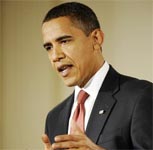 Washington - Republican legislators slammed President Barack Obama's economic agenda on Friday for mimicking the ideals of socialist European governments, one day after the president revealed his 3.6-trillion-dollar budget for 2010.
 Wellington - The New Zealand government would consider subsidizing a day off every two weeks for workers to try to save jobs as the international recession bites, Prime Minister John Key said Friday.
TopNews Hindi
- Karuppu, Parasakthi, Thaai Kizhavi, Blast and Kara Among Best Tamil Movies for 2026
- Anupama, YRKKH, Vasudha, Tum Se Tum Tak: सबसे ज़्यादा देखे जाने वाले धारावाहिक
- 2026 FIFA World Cup Current Rankings and Betting Odds for Sports Betting Fans
- JEE Main 2026: Exam Dates, Eligibility, Syllabus जेईई मेन 2026 परीक्षा की तारीखें, योग्यता, सिलेबस
- Geojit ने Apollo Hospitals पर BUY कॉल दोहराया, Share Price Target Rs. 9,587

