Health News
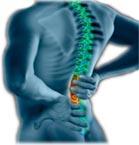 Munich - Persistent or recurring back pain in women may have gynaecological causes, according to the Munich-based German Association of Gynaecologists (BVF).
 Copenhagen - The regional office of the World Health Organization (WHO) in Europe has urged governments, health authorities and others to step up vaccination programmes against measles.
 Hamburg/Berlin - Winter is almost over in the Northern Hemisphere and hay fever sufferers are already beginning to sneeze and sniffle.
TopNews Hindi
- भारतीय क्रिकेट टीम बनाम इंग्लैंड क्रिकेट टीम के आंकड़े एवं टाइमलाइन
- FSSAI की शराब कार्रवाई: मैकडॉवेल्स नंबर 1, Old Monk, Antiquity Blue, Royal Challenge पर बैन
- Karuppu, Parasakthi, Thaai Kizhavi, Blast and Kara Among Best Tamil Movies for 2026
- Anupama, YRKKH, Vasudha, Tum Se Tum Tak: सबसे ज़्यादा देखे जाने वाले धारावाहिक
- 2026 FIFA World Cup Current Rankings and Betting Odds for Sports Betting Fans

