Tokyo - Tokyo stocks ended Tuesday morning trading lower after the Dow Jones industrial average hit a fresh 12-year-low overnight on lingering concerns over the US economy.
Japan's benchmark Nikkei 225 Stock Average lost 52.76 points, or 0.74 per cent, falling to 7,033.27 after it ended the previous day's session at its lowest in more than 26 years.
The broader Topix index of all first section issues was also down 8.83 points, or 1.24 per cent, to 701.7.
Tokyo - Japan's benchmark Nikkei 225 Stock Average on Monday dropped to its lowest closing level in more than 26 years on concerns over prospects of the global financial industry and the domestic economy.
The benchmark Nikkei index fell 87.07 points, or 1.21 per cent, to close at 7,086.03.
The broader Topix index of all first section issues was also down 10.86 points, or 1.51 per cent, to 710.53.
On currency markets at midday (0300 GMT), the dollar traded at 98.32-37 yen, up from Friday's 5 pm quote of 97.35-37 yen.
Tokyo - Japan's top opposition leader was facing increasing pressure to step down after his secretary was arrested for allegedly taking illegal corporate donations, Japanese media reported Monday.
Ichiro Ozawa, president of the Democratic Party, rebuffed mounting calls for his resignation within his own party even after Takanori Okubo, also an accountant for Ozawa's political group Rikuzankai, was arrested last week.
Japan's two largest newspapers said more than half the people surveyed wanted Ozawa to step down as the opposition leader.
Tokyo - Japan saw the first current-account deficit in 13 years and a record amount in January as the trade balance widened due to declining exports, the Finance Ministry said Monday.
Japan's deficit amounted to 172.8 billion yen (1.76 billion dollars) in January, compared to surplus of 1.16 trillion yen in the same month a year before.
Goods and services trade logged a record deficit of 1.1 trillion yen.
In goods' trade, Japan saw a deficit of 844.4 billion yen, compared to surplus of 71.3 billion yen a year earlier.
Tokyo - Caught in the middle of the worst economic crisis since the end of World War II, Japan's political landscape looks a mess.
Taro Aso, leader of the world's second-largest economy and his Liberal Democratic Party (LDP) are widely regarded as unable to lead Japan out of the slump.
Verbal gaffes and the recent resignation of his finance minister, Shoichi Nakagawa, who appeared to be drunk during a Group of Seven press conference sent Aso's support ratings below 10 per cent.
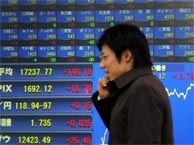 Tokyo - Tokyo stocks ended Tuesday morning trading lower after the Dow Jones industrial average hit a fresh 12-year-low overnight on lingering concerns over the US economy.
 Tokyo - Japan's benchmark Nikkei 225 Stock Average on Monday dropped to its lowest closing level in more than 26 years on concerns over prospects of the global financial industry and the domestic economy.
 Tokyo - Japan's top opposition leader was facing increasing pressure to step down after his secretary was arrested for allegedly taking illegal corporate donations, Japanese media reported Monday.
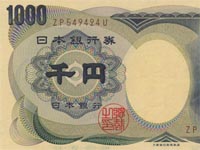 Tokyo - Japan saw the first current-account deficit in 13 years and a record amount in January as the trade balance widened due to declining exports, the Finance Ministry said Monday.
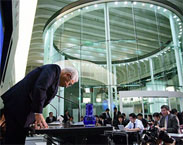 Tokyo - The Tokyo market ended morning trading lower Monday on worries about the US financial sector.
 Tokyo - Caught in the middle of the worst economic crisis since the end of World War II, Japan's political landscape looks a mess.
