Single sided deafness can be improved by Bone-anchored hearing aids
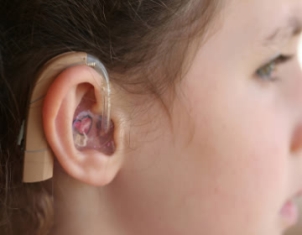 According to a new report surgically implanted hearing aids, anchored to the skull bone, noticeably improves hearing among children with deafness in one ear.
The report further says that the single-sided deafness affects between 0.1 percent and 3 percent children.
Often attributed to the children's inability to perform well in noisy conditions, the condition is often associated with poor performance in school, learning difficulties and behavioral problems.
Traditional, external hearing aids may improve comprehension and performance, but compliance is typically low, especially outside the classroom.
The study authors write," Thus, treatment options for profound unilateral sensorineural hearing loss (single ear deafness) in children are limited, thereby creating a source of frustration and a need for alternative treatments."
Lisa Christensen of Arkansas Children's Hospital, Little Rock, and colleagues write," In an effort to provide a durable treatment option, the bone-anchored hearing aid has been explored for use
in children with single-sided deafness."
Hearing tests were conducted and each patient and a parent or guardian were asked to complete a questionnaire about listening difficulties before and after the fitting.
Scores on both hearing tests and questionnaires improved significantly following surgery. Both children and teens demonstrated improvements in hearing.
An Arkansas Children's Hospital release said that the complication rate was 17 percent, with complications being more common in teenagers and including skin reactions and lost fixtures and
these findings were helpful in counseling children five years and older and their families regarding treatment options for single-sided deafness.
February issue of Archives of Otolaryngology - Head and Neck Surgery published these findings. (With Input from Agencies)
TopNews Hindi
- आज का मौसम 29 मई: 16 राज्यों में तूफानी बारिश का अलर्ट, दिल्ली में राहत की उम्मीद लेकिन मानसून अभी दूर
- सोने और चांदी की कीमतों में मामूली गिरावट (Gold Price Declines Today), 22Karat सोना 1,56,600 रुपये प्रति 10 ग्राम
- वैभव सूर्यवंशी (Vaibhav Sooryavanshi) की IPL 2026 में राजस्थान रॉयल्स में रिकॉर्ड तोड़ बल्लेबाज़ी
- कल का मौसम: दिल्ली, हरियाणा, राजस्थान, पंजाब और उत्तर प्रदेश में अत्यधिक गर्म मौसम
- आज का मौसम: दिल्ली में भीषण गर्मी का प्रकोप, 45°C के पार पहुंचा पारा

