India conveys disappointment over terrorism suspect's release
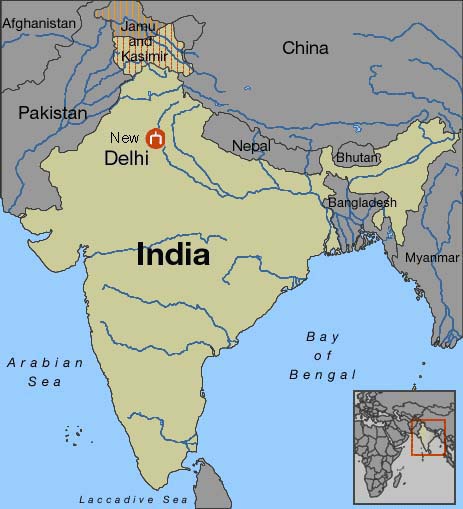 New Delhi - India on Wednesday officially conveyed to Pakistan its disappointment over the release of Hafiz Muhammad Saeed, the founder of an Islamic militant group accused of being behind last year's Mumbai terrorist attacks, news reports said.
The views were relayed when Foreign Secretary Shivshankar Menon met Pakistani High Commissioner Shahid Malik in New Delhi.
"India conveyed its disappointment at the release of Saeed," Menon told reporters after the meeting, according to the IANS news agency.
The Pakistani envoy told Menon about the actions the Pakistan government has taken against the perpetrators of the Mumbai attacks.
He also reiterated his request that some of the evidence given by India to Pakistan, which was originally in the local Marathi language, could be translated into English and sent back, the report said.
Saeed, who is among India's most wanted terrorists, was released Tuesday after the Lahore High Court declared his house arrest illegal.
He was put under house arrest on December 11 after New Delhi accused the Lashkar-e-Taiba (LeT) terrorist group he founded of being behind the November 26 attacks that claimed more than 170 lives.
Saeed also heads the Islamic charity Jamaat-ud-Dawa (JuD), which was banned by the United Nations as a terrorist organization and a political front for the LeT in December.
Besides being a key suspect in the Mumbai attacks, Saeed was also named in the attack on the Indian Parliament in 2001 and the 2006 Mumbai train bombings, which killed 186 people.
India said Tuesday that Saeed's release showed Pakistan's lack of seriousness in fighting terrorism and raised serious doubts about its commitment to investigate the Mumbai attacks.
Meanwhile, India's Defence Ministry officials alleged that Pakistani troops violated a ceasefire agreement and fired at frontline Indian positions in the Poonch sector of the northern Jammu and Kashmir state Wednesday, the NDTV network reported.
Pakistani troopers fired at Indian forces for about five to six minutes, it said.
India and Pakistan announced a ceasefire on the borders of the two countries in 2003, but such violations are common. Indian army officials reported 34 incidents of ceasefire violations last year. (dpa)
TopNews Hindi
- आज का मौसम 29 मई: 16 राज्यों में तूफानी बारिश का अलर्ट, दिल्ली में राहत की उम्मीद लेकिन मानसून अभी दूर
- सोने और चांदी की कीमतों में मामूली गिरावट (Gold Price Declines Today), 22Karat सोना 1,56,600 रुपये प्रति 10 ग्राम
- वैभव सूर्यवंशी (Vaibhav Sooryavanshi) की IPL 2026 में राजस्थान रॉयल्स में रिकॉर्ड तोड़ बल्लेबाज़ी
- कल का मौसम: दिल्ली, हरियाणा, राजस्थान, पंजाब और उत्तर प्रदेश में अत्यधिक गर्म मौसम
- आज का मौसम: दिल्ली में भीषण गर्मी का प्रकोप, 45°C के पार पहुंचा पारा

