Emo scene, androgyny booming among teens
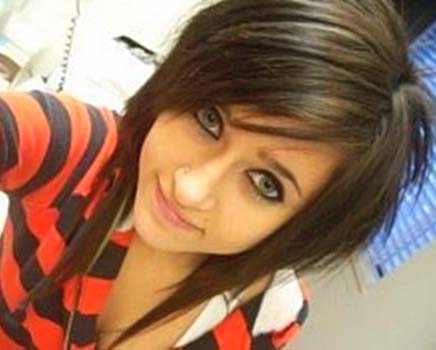 Hamburg - The word emo might not mean much to the average parent, but it should if they want to get a grip on the latest music and fashion phenomenon that might soon be interesting a teenager near you.
The emo scene - which derives its name from a popular, more melodic, expressive take on rock music - is often paired with visual kei, which takes its fashion direction from Japan's manga scene. The new style plays with traditional gender roles and often results in an androgynous look.
Youth culture experts say the emo scene is the fastest growing trend out there. But because of its dramatic aspects, its adherents are sometimes subject to bullying, especially since emo randomly picks up elements from goth and punk culture.
The new movement has left many adults scratching their heads. In Germany, a new book is about to be published on the trend.
The typical emo outfit features long bangs, dark clothes, tight jeans and sports shoes. Many brandish skull symbols, lip piercings and darkly made-up eyes. Androgyny is also big, as adherents take their cue from singers like Marilyn Manson or Bill Kaulitz, the front man of German band Tokio Hotel.
Visual kei look is even more bold. There are no strict rules when it comes to clothes and makeup. Garish streaks of colour in the hair and face are often derived from characters in manga comics.
At its core, the look is a re-import of a look from Japan. Musicians there have long attempted to capture the look of Western pop stars from the 1980s. Now the trend is coming back.
The look has earned some enemies. There are reports about violence against emos in South America, hostile media reports in Egypt and discussions about banning the subculture in Russia.
"The problem emos or visual keis have with other groups usually revolve around their outfits," says Jonas Engelmann. The social researcher from the German city of Mainz is working on a book about the emo scene due to come out this summer.
By veering away from cliched concepts of masculinity, the emos are looked down upon by others, says Engelmann. "When David Bowie played with gender roles, it didn't happen like this. Nor did it in the 80s, when bands like Frankie Goes to Hollywood or Culture Club played the same games with gender expectations."
He says he suspects some younger people have grown more conservative and are less willing to let traditional gender roles loosen.
Engelmann says he finds it interesting that so many emos got into the scene when they were very young and stick with it, despite accusations of being effeminate.
"It's astounding that 14-year-olds are subjecting themselves to this kind of malice from their peers."
Figuring out emo culture is hard for outsiders. Its background is murky. Until the 1990s, emo was primarily a style of metal music, a subset of American hardcore characterized by groups like the US band Rites of Spring.
The goal then was to incorporate more feeling into this aggressive form of music. That led to the phrase emocore, short for emotional hardcore. The music style became a fashion and found a home with teens ready to share their pain with the world.
Emily, 16, from the German city of Potsdam, says she was into emo fashion for about a year. "That was from age 14 to 15. I had long, black hair, wore bandanas in my hair and thought it was great. "
But, being a teenager, fashion is subject to abrupt changes. "I suddenly found it silly and completely ridiculous." (dpa)
TopNews Hindi
- आज का मौसम 29 मई: 16 राज्यों में तूफानी बारिश का अलर्ट, दिल्ली में राहत की उम्मीद लेकिन मानसून अभी दूर
- सोने और चांदी की कीमतों में मामूली गिरावट (Gold Price Declines Today), 22Karat सोना 1,56,600 रुपये प्रति 10 ग्राम
- वैभव सूर्यवंशी (Vaibhav Sooryavanshi) की IPL 2026 में राजस्थान रॉयल्स में रिकॉर्ड तोड़ बल्लेबाज़ी
- कल का मौसम: दिल्ली, हरियाणा, राजस्थान, पंजाब और उत्तर प्रदेश में अत्यधिक गर्म मौसम
- आज का मौसम: दिल्ली में भीषण गर्मी का प्रकोप, 45°C के पार पहुंचा पारा

